
In This Article
Ever grabbed your favorite towel after a refreshing pool dip, only to notice it’s already looking faded and worn after just a few uses? You’re not alone in this frustrating experience. The culprit behind this premature aging isn’t just frequent use—it’s the chlorine in your pool water slowly breaking down the fabric fibers with every swim session.
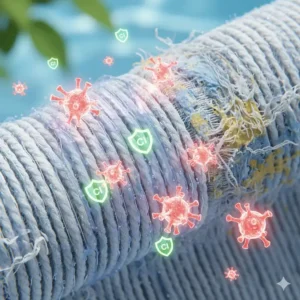
Bath towels for chlorine pools aren’t just a luxury; they’re a necessity if you want your investment to last more than one summer season. Regular bath towels might work fine for your bathroom, but expose them to chlorinated water, and you’ll witness a slow transformation. Colors fade, fibers weaken, and that plush softness you loved disappears faster than you can say “cannonball.”
I learned this lesson the hard way after ruining three sets of expensive Egyptian cotton towels in one poolside summer. The vibrant blues turned dingy gray, the thick terry cloth became thin and threadbare, and my towels started smelling like a chemistry lab no matter how many times I washed them. That’s when I discovered the game-changing difference that chlorine resistant bath towels make.
What is bath towels for chlorine pools? Bath towels for chlorine pools are specially designed towels made from chlorine-resistant materials like polyester, PBT microfiber, or treated cotton that maintain their color, texture, and integrity despite repeated exposure to pool chemicals and UV rays.
Whether you’re a daily lap swimmer, a backyard pool owner, or someone who frequents public pools, choosing the right towel can save you hundreds of dollars in replacements while keeping you comfortable and stylish poolside. This comprehensive guide explores the top seven chlorine-resistant towels that actually deliver on their promises, backed by real user experiences and expert analysis.
Quick Comparison Table
| Towel | Material | Size | Price Range | Chlorine Resistance | Best For |
|---|---|---|---|---|---|
| Chakir Turkish Linens Cabana Stripe | 100% Cotton (Ring-Spun) | 30″ x 60″ | $35-45 (4-pack) | Good | Traditional feel, budget-conscious |
| Utopia Towels Cabana Stripe | 100% Ring-Spun Cotton | 30″ x 60″ | $30-40 (4-pack) | Good | Value seekers, families |
| Amazon Basics Cabana Stripe | 100% Ring-Spun Cotton | 30″ x 60″ | $20-28 (2-pack) | Good | Budget option |
| Yongoes Microfiber Sand Free | Microfiber | 71″ x 32″ | $25-35 (2-pack) | Excellent | Travel, quick-dry needs |
| Casa Platino Microfiber Set | Premium Microfiber | 71″ x 32″ | $40-55 (4-pack) | Excellent | Beach & pool combo |
| JML Microfiber Beach Towels | Microfiber (400 GSM) | 30″ x 60″ | $35-45 (6-pack) | Excellent | Multi-purpose use |
| Classic Home Store Chlorine Resistant | 100% Cotton (Treated) | 60″ x 30″ | $15-25 (single) | Very Good | Dedicated pool use |
💬 Just one click – help others make better buying decisions too! 😊
Top 7 Bath Towels for Chlorine Pools: Expert Analysis
1. Chakir Turkish Linens Premium Quality Cabana Stripe Pool Beach Towels
When it comes to balancing traditional towel luxury with pool-worthy durability, Chakir Turkish Linens Premium Quality Cabana Stripe Pool Beach Towels have earned their reputation through over 20 years of Turkish craftsmanship. These towels bring that authentic hammam experience to your backyard pool.
Key Specifications:
- 100% ring-spun premium cotton construction
- 30″ x 60″ oversized dimensions
- Double-stitched hem for enhanced durability
- OEKO-TEX Standard 100 certified (free from harmful chemicals)
Price Range: $35-45 for a 4-pack
Customers consistently praise these towels for their exceptional softness that actually improves after the first wash. “These towels fluff up beautifully and get softer with each laundry cycle,” notes one verified purchaser who’s been using them poolside for two seasons. The ring-spun cotton construction creates longer, stronger fibers that resist the degrading effects of chlorine better than standard cotton towels.
✅ Pros:
- Becomes softer and fluffier after washing
- OEKO-TEX certified chemical-free production
- Excellent absorbency for quick drying
❌ Cons:
- Takes slightly longer to dry than microfiber options
- May show fading after extended chlorine exposure
Best For: Pool owners who prefer the traditional feel of cotton towels but need better chlorine resistance than standard bath towels. The OEKO-TEX certification makes these particularly appealing for families with children or anyone sensitive to chemicals.
2. Utopia Towels Cabana Stripe Beach Towel 4-Pack
The Utopia Towels Cabana Stripe Beach Towel series has become something of a cult favorite among pool enthusiasts, and for good reason. These towels deliver remarkable value without sacrificing quality, making them perfect for families who need multiple towels on rotation.
Key Specifications:
- 100% ring-spun cotton with zero-twist construction
- 30″ x 60″ generous sizing
- 450-600 GSM (grams per square meter) weight
- Available in 10+ vibrant color options
Price Range: $30-40 for a 4-pack
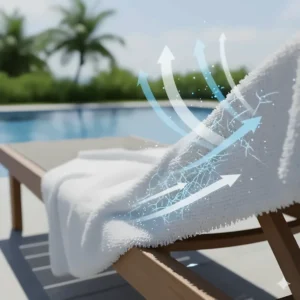
What sets Utopia Towels apart is their smart zero-twist construction combined with combed cotton. This manufacturing technique removes shorter fibers, significantly reducing shedding and fraying while offering superior absorbency with a lightweight feel. User reviews consistently mention that these towels handle pool chemicals better than expected for their price point.
“I was skeptical about the price, but these towels have survived two full summers of daily pool use,” shares a reviewer with an in-ground pool. “The colors are still vibrant, and they haven’t developed that thin, worn-out feeling.”
✅ Pros:
- Outstanding value for money
- Low-lint construction reduces dryer mess
- Classic cabana stripe design in multiple colors
❌ Cons:
- Initial washing releases some lint (common with new towels)
- Some color variations may show fading sooner than others
Best For: Families needing multiple affordable towels, rental properties, or anyone wanting reliable pool towels without premium pricing. The variety of colors makes it easy to assign each family member their own towel.
3. Amazon Basics 100% Cotton Terry Cabana Stripe Pool & Beach Towels
Don’t let the “basics” label fool you—the Amazon Basics 100% Cotton Terry Cabana Stripe Pool & Beach Towels punch well above their weight class. These OEKO-TEX certified towels represent what happens when simplicity meets quality manufacturing.
Key Specifications:
- 100% ring-spun cotton terry cloth
- 30″ x 60″ standard beach towel size
- Made in OEKO-TEX Standard 100 certified facilities
- Machine washable with quick-dry properties
Price Range: $20-28 for a 2-pack
The terry cloth construction on these towels provides that classic, absorbent loop texture on both sides, making them versatile for lounging or drying off. Despite their budget-friendly price, users report impressive durability when exposed to chlorinated water. The OEKO-TEX certification ensures these towels are tested for harmful substances—a feature not always found in budget towel options.
“These have become my go-to pool towels,” explains one Amazon reviewer. “They handle the chlorine smell better than my expensive towels, and washing them in vinegar solution keeps them fresh season after season.”
✅ Pros:
- Excellent value for certified quality
- Double-sided terry cloth for maximum absorbency
- Amazon’s reliable customer service and returns
❌ Cons:
- Only available in 2-packs (not ideal for large families)
- Limited color selection compared to other brands
Best For: Budget-conscious shoppers who refuse to compromise on safety certifications, or anyone testing the chlorine-resistant towel waters before investing in larger quantities.
4. Yongoes Microfiber Lightweight Thin Beach Towel Sand Free
For those seeking chlorine resistant bath towels with modern technology, the Yongoes Microfiber Lightweight Thin Beach Towel represents the cutting edge of towel innovation. These ultra-fiber marvels combine sand repellent towel fabric with exceptional chlorine resistance.
Key Specifications:
- Premium microfiber ultra-fiber material
- 71″ x 32″ extra-large dimensions
- Compact design reduces packaging by 40%
- Sand-resistant weave pattern
Price Range: $25-35 for a 2-pack
Microfiber’s inherent properties make it naturally resistant to chlorine damage. The synthetic fibers don’t absorb chemicals the way natural fibers do, maintaining their color and structure through countless pool sessions. Users rave about how these towels absorb up to 5 times their weight in water while drying in a fraction of the time cotton requires.
“I was skeptical about microfiber for pool use, but these are game-changers,” reports a verified buyer. “They dry so fast that I can use the same towel for morning and evening swims. The sand doesn’t stick, and they still look brand new after months of use.”
The beach bath towels sand free technology means sand and debris shake off effortlessly rather than embedding in the fabric—a bonus feature that makes these equally valuable at the beach.
✅ Pros:
- Superior quick-dry technology (3x faster than cotton)
- Excellent chlorine and UV resistance
- Compact for travel and storage
❌ Cons:
- Different texture than traditional cotton towels
- May feel less plush for some users
Best For: Frequent travelers, competitive swimmers, gym-goers, and anyone prioritizing swimming towel durability and quick-drying capabilities over traditional towel feel.
5. Casa Platino Beach Towel Set with Mesh Bag
The Casa Platino Beach Towel Set takes microfiber technology and wraps it in stunning double-sided prints inspired by iconic beaches worldwide. These towels prove that pool safe towel materials can be both functional and fashionable.
Key Specifications:
- Premium quick-dry microfiber construction
- 71″ x 32″ oversized coverage
- Double-sided vibrant prints (fade-resistant)
- Includes mesh carrying bag
Price Range: $40-55 for a 4-pack
What distinguishes Casa Platino from other microfiber options is their attention to both performance and aesthetics. The double-sided printing technique uses dye that penetrates the fiber rather than sitting on the surface, providing exceptional fade resistance even with regular chlorine exposure. The included mesh bag isn’t just a nice touch—it promotes air circulation, preventing that musty smell that can develop in damp towels.
“These towels are gorgeous and super functional,” enthuses one pool owner. “After six months of daily use in my saltwater pool, they look exactly the same as day one. The colors haven’t faded at all.”
The oversized 71″ x 32″ dimensions provide generous coverage whether you’re drying off or lounging poolside, making them versatile enough to serve as beach bath towels sand free alternatives too.
✅ Pros:
- Exceptional fade resistance with double-sided prints
- Large size accommodates all body types
- Mesh bag keeps towels fresh and organized
❌ Cons:
- Premium pricing compared to basic microfiber
- Bold patterns may not suit minimalist preferences
Best For: Style-conscious pool owners, beach enthusiasts, gift-givers, or anyone who wants their pool accessories to make a statement while delivering top-tier performance.
6. JML Microfiber Beach Towels Cabana Stripe 4-6 Pack
The JML Microfiber Beach Towels brilliantly bridge the gap between traditional towel aesthetics and modern microfiber performance. With their classic cabana stripe design rendered in advanced microfiber, these towels satisfy both nostalgia and practicality.
Key Specifications:
- 400 GSM microfiber construction
- Available in 30″ x 60″ standard size
- Odor-resistant and lint-free design
- Hanging loops for convenient drying
Price Range: $35-45 for a 6-pack
At 400 GSM, these towels offer more substantial weight than typical microfiber options, providing a more luxurious feel while maintaining all the chlorine-resistant benefits. The microfiber can absorb up to 7 times its weight in water—impressive technology that translates to faster drying both on your body and when hung up after use.
“I bought these for my swim team, and they’ve been fantastic,” reports a coach. “The kids love that they dry quickly between practice sessions, and parents appreciate that they don’t develop that chlorine smell that cotton towels get.”
The upgraded hanging loops use reinforced stitching that withstands daily hanging without tearing—a common failure point in many towels that often gets overlooked until it becomes a problem.
✅ Pros:
- Substantial 400 GSM weight feels more luxurious
- 6-pack offers excellent per-towel value
- Odor-resistant properties keep towels fresh
❌ Cons:
- Requires fabric softener to maintain peak softness
- Some users note slight color variations between towels in set
Best For: Swim teams, large families, rental properties, or facilities needing multiple towels that can withstand heavy use and frequent washing without degradation.
7. Classic Home Store 100% Cotton Chlorine Resistant Pool Towels
Last but certainly not least, the Classic Home Store 100% Cotton Chlorine Resistant Pool Towels represent a specialized option designed specifically for chlorinated environments. These UK-based towels have garnered attention for their honest approach to chlorine resistance.
Key Specifications:
- 100% cotton with chlorine-resistant treatment
- 60″ x 30″ dimensions
- Stripe design (Blue, Raspberry Pink, or Sky Blue options)
- Specialized weave resists chemical retention
Price Range: $15-25 per towel
Unlike general-purpose towels marketed as “pool-friendly,” these are engineered from the ground up for chlorinated water. The cotton fibers undergo a treatment process that helps repel chlorine molecules, preventing them from penetrating and degrading the fabric. Users report that these towels notably resist that persistent chlorine smell that plagues regular cotton towels.
“This towel dries the body extremely well and does not keep the smell of chlorine unlike some of my other towels,” confirms one buyer. “Perfect for around the house or pool. Good quality.”
However, transparency matters: some reviewers note the towels are thinner than traditional bath towels—a trade-off for the chlorine-resistant properties and faster drying time.
✅ Pros:
- Purpose-built for chlorinated water exposure
- Resists chlorine odor retention
- Good size and length for full-body coverage
❌ Cons:
- Thinner construction than premium bath towels
- Loops may pull if not handled carefully
- Limited availability (primarily UK market)
Best For: Dedicated pool owners who swim daily, swim instructors, or anyone prioritizing chlorine resistance above all other factors and willing to accept a thinner towel in exchange.
✨ Don’t Miss These Exclusive Deals!
🔍 Take your pool experience to the next level with these carefully selected products. Click on any highlighted item to check current pricing and availability. These towels will help you create authentic poolside comfort your family will love!
Understanding Chlorine Damage: Why Regular Towels Don’t Cut It
To appreciate why investing in proper bath towels for chlorine pools matters, we need to understand what chlorine actually does to fabric at the molecular level. Chlorine isn’t just a cleaning agent—it’s a powerful oxidizer that breaks chemical bonds.
The Science Behind Chlorine Fabric Deterioration
When chlorine molecules come into contact with fabric fibers, they initiate a chemical reaction that breaks down the fiber structure. According to textile researchers, chlorine bleaching occurs even at the 1-3 parts per million (ppm) concentration found in properly maintained pools—though the process happens much more slowly than with concentrated bleach.
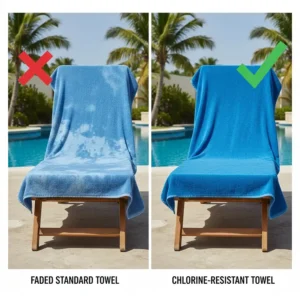
Natural fibers like cotton are particularly vulnerable. Cotton consists of cellulose, and chlorine attacks the hydrogen bonds holding cellulose chains together. Over time, these broken bonds manifest as weakened, thinner fabric that eventually tears. The visible fading happens because chlorine also strips dye molecules from fibers, explaining why vibrant pool towels often turn pale and washed out.
Synthetic fibers like polyester and nylon fare better because they’re hydrophobic (water-repelling), meaning they absorb less chlorinated water. This is why pool safe towel materials often incorporate synthetic components or specialized treatments that create a barrier between chlorine and the fiber structure. Chlorine-based bleaches work by breaking chemical bonds in chromophores (color-producing molecules), which is exactly what causes the fading and degradation in pool towels.
Beyond Fading: The Full Spectrum of Chlorine Damage
Color loss might be the most obvious sign of chlorine damage, but it’s far from the only consequence:
Structural Weakening – As chlorine breaks down fibers, towels become progressively thinner and more fragile. What started as a plush, luxurious towel eventually feels like a threadbare rag. You might notice this first in high-stress areas like edges and corners, where stitching begins to fail.
Odor Retention – Paradoxically, chlorine meant to sanitize can leave towels smelling distinctly chemical or musty. This happens when chlorine combines with organic matter (body oils, lotions, sweat) to form chloramines—compounds that resist standard washing and create that telltale “pool smell.”
Texture Deterioration – The soft, absorbent terry loops that make towels comfortable gradually flatten and stiffen. Chlorine damage affects the fiber’s ability to wick moisture effectively, leaving you with a towel that seems to push water around rather than absorb it.
Research from textile care specialists indicates that towels exposed to chlorinated water without proper rinsing can lose up to 40% of their structural integrity within one season of regular use. That’s why choosing chlorine resistant bath towels from the start represents genuine economy—not just comfort.
Material Matters: Cotton vs. Microfiber for Pool Towels
The great towel material debate comes down to two primary contenders: traditional cotton and modern microfiber. Each brings distinct advantages and limitations to the poolside.
Cotton Pool Towels: The Traditional Choice
Advantages: Cotton towels offer that classic, luxurious feel that many people associate with quality. The natural fibers create a soft, plush surface that’s gentle on skin. High-quality cotton, particularly ring-spun or combed varieties, provides excellent absorbency and durability when properly maintained.
Premium cotton towels with chlorine-resistant treatments or special weaves can perform admirably in pool environments. Turkish cotton and Egyptian cotton, known for their long fibers, inherently resist wear better than standard cotton. When manufacturers apply chlorine-resistant treatments to these premium cottons, the results can rival synthetic options for durability.
Disadvantages: Even treated cotton remains more vulnerable to chlorine damage than synthetic alternatives. Cotton absorbs more water—including chlorinated water—which means chlorine molecules have more opportunity to react with fibers. The drying time for cotton towels significantly exceeds microfiber, which can be problematic if you need to reuse towels quickly or pack them for travel.
Cotton towels also tend to be heavier when wet, making them less portable. For families with children who tend to leave towels scattered poolside, this extra weight can be tiresome when gathering them up.
Microfiber Pool Towels: The Modern Solution
Advantages: Microfiber’s synthetic composition makes it naturally chlorine-resistant. The polyester and polyamide fibers that comprise microfiber don’t react with chlorine the way cellulose does, maintaining their structure and color indefinitely. This swimming towel durability is why competitive swimmers and frequent pool-goers increasingly choose microfiber.
The quick-drying properties of microfiber solve multiple problems simultaneously. Fast drying means less time for bacteria and mildew to develop, easier portability, and the ability to reuse towels within hours. The lightweight nature makes them ideal for travel and for children to handle.
Modern microfiber towels can absorb 5-7 times their weight in water despite their thin profile. This seems counterintuitive until you understand the physics: microfiber’s extensive surface area (created by millions of split fibers) traps water molecules through capillary action rather than absorption into the fiber itself.
Disadvantages: The texture of microfiber differs noticeably from cotton—some describe it as silky or slippery rather than plush and fuzzy. This takes adjustment for people accustomed to traditional towels. Some microfiber towels can develop static electricity, though this typically only occurs in very dry climates or when over-dried.
Quality varies dramatically in microfiber products. Low-quality microfiber may pill, shed, or feel scratchy. The GSM (grams per square meter) measurement becomes crucial—higher GSM generally indicates better quality, with 300-400 GSM offering good thickness without excessive bulk.
The Hybrid Approach
Smart pool owners often maintain both cotton and microfiber towels, using each for its strengths. Cotton towels excel for lounging poolside or leisurely drying off in your backyard. Microfiber becomes the go-to for active swimming, gym pools, travel, or situations requiring quick turnaround between uses.
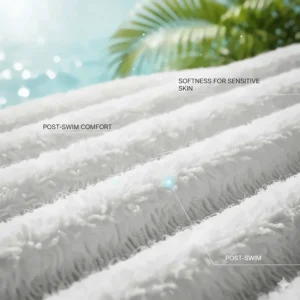
How to Choose Bath Towels for Chlorine Pools: 7 Essential Factors
Selecting the right pool safe towel materials involves evaluating multiple criteria beyond simple chlorine resistance. Here’s your comprehensive decision-making framework:
1. Frequency of Pool Use
Daily swimmers need different towels than occasional weekend pool-goers. If you swim multiple times per day, prioritize quick-dry microfiber options that can handle rapid turnaround. For weekend recreational swimming, durable cotton towels with chlorine-resistant treatments often suffice while providing more traditional comfort.
Competitive swimmers should consider owning 4-6 dedicated pool towels to ensure clean, dry options are always available while others are being laundered. This rotation system prevents the accelerated wear that comes from using the same towel repeatedly without proper drying time.
2. Primary vs. Secondary Use
Will these towels exclusively see pool duty, or do you need versatility for beach trips, gym showers, and general use? Beach bath towels sand free capabilities become relevant if you divide time between pool and ocean. Dual-purpose towels should prioritize microfiber’s sand-repelling properties and quick-dry benefits.
For dedicated pool-only towels, you can optimize entirely for chlorine resistance and absorbency without worrying about packability or sand resistance. This is where specialized chlorine-resistant cotton towels excel.
3. Size Considerations
Standard 30″ x 60″ towels work well for most adults and provide adequate drying coverage. However, taller individuals or those who prefer lounging on towels should consider 35″ x 70″ or larger options. Oversized towels offer more versatility but take longer to dry and require more storage space.
Children might prefer smaller towels they can actually manage, while teenagers often want the same full-size options adults use. Consider buying a range of sizes if serving a family with diverse needs.
4. Color Fastness and Aesthetics
Lighter colors show chlorine damage less obviously than deep, vibrant shades, but they may reveal stains more readily. White and light blue towels can withstand multiple seasons without obvious fading, while deep navy or black towels might show degradation sooner despite being chlorine-resistant.
Stripe patterns, particularly the classic cabana stripe, camouflage minor fading better than solid colors. The alternating pattern draws the eye away from subtle color shifts that would be obvious on solid towels.
5. Texture Preferences
People have strong preferences about towel texture that shouldn’t be dismissed. If you hate the feeling of microfiber against your skin, no amount of rational argument about its superior chlorine resistance will make you happy with that purchase. Conversely, if you prioritize functionality and performance, microfiber’s slightly different texture becomes a non-issue.
Consider ordering one or two towels in different materials before committing to bulk purchases. A few weeks of real-world testing will reveal your genuine preferences better than any product description.
6. Storage and Drying Space
Do you have a dedicated towel bar or pool house where wet towels can hang and dry properly? Or do towels get stuffed into pool bags immediately after use? Your storage situation should influence material choice.
Microfiber’s quick-dry properties shine when storage space is limited or when towels must be packed damp. Cotton towels need good air circulation and time to dry thoroughly, or they risk developing mildew and odors that even chlorine can’t prevent.
7. Budget and Replacement Cycle
Quality bath towels for chlorine pools range from $10-30 per towel depending on size, material, and brand. Initial cost matters, but calculate cost per use over the towel’s lifespan for true value assessment.
A $40 set of quality microfiber towels lasting three seasons costs less per use than $20 cotton towels needing replacement annually. However, if you genuinely prefer cotton and view towel replacement as acceptable, the lower upfront cost might align better with your priorities.
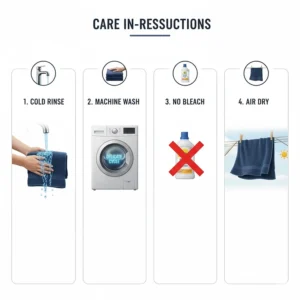
Proper Care Extends Towel Life: Washing and Maintenance Tips
Even the best chlorine resistant bath towels won’t reach their full lifespan potential without proper care. Follow these evidence-based maintenance practices:
Pre-Wash Rinsing
The single most important step in preserving pool towels happens before washing: thorough rinsing immediately after use. Chlorine continues degrading fabric as long as it remains in contact with fibers. A quick rinse in clean, cool water removes approximately 80-90% of chlorine residue, dramatically reducing chemical exposure.
Ideally, rinse towels in the pool shower immediately after swimming. If that’s not practical, at least shake them out and hang them to dry before laundering—don’t leave them crumpled in wet, chlorine-saturated heaps.
The Vinegar Solution Method
White distilled vinegar neutralizes chlorine compounds while naturally softening fabric. Mix equal parts cool water and white vinegar in a basin or bucket. Soak pool towels for 30-60 minutes, then launder normally. This treatment is particularly effective for towels that have developed that persistent chlorine odor.
Perform vinegar soaks monthly for regularly used pool towels, or as needed when odors develop. The vinegar smell disappears during the wash cycle, leaving fresh, chlorine-free towels.
Washing Best Practices
Temperature: Wash pool towels in warm (not hot) water. Hot water can set stains and accelerate fading, while cold water may not adequately remove oils and chlorine residue.
Detergent: Use powerful, chlorine-neutralizing detergents but avoid products containing chlorine bleach—adding more chlorine defeats the purpose. Look for detergents specifically formulated for swimwear and pool accessories.
Load Size: Don’t overcrowd the washing machine. Towels need room to agitate freely for thorough cleaning and rinsing. Overloaded machines leave detergent residue that can accelerate fabric degradation.
Fabric Softener: Skip it for pool towels. Fabric softener coats fibers with chemicals that reduce absorbency—exactly what you don’t want in a towel. The coating also creates a barrier that can trap chlorine molecules against the fabric.
Drying Strategies
Air Drying: Whenever possible, air dry pool towels outdoors in indirect sunlight. Direct sun exposure can fade colors and weaken fibers, but gentle outdoor drying preserves fabric while thoroughly eliminating moisture and odors.
Machine Drying: If using a dryer, select low to medium heat. High heat breaks down fibers prematurely, particularly in cotton towels. Remove towels promptly when dry to prevent heat damage from continued tumbling.
Microfiber Specifics: Microfiber dries extremely quickly on low heat or air drying. Avoid high heat entirely with microfiber, as it can damage the fine fibers and reduce absorbency.
Storage Considerations
Store completely dry towels in a well-ventilated space. Damp towels stored in plastic bins or closed cabinets develop mildew that smells terrible and degrades fabric. If you must store slightly damp towels temporarily, use mesh bags that allow air circulation.
Consider designating specific towels exclusively for pool use. This prevents cross-contamination of chlorine into your regular towel rotation and makes it easier to implement specialized care routines.
Common Pool Towel Mistakes and How to Avoid Them
Learning from others’ errors saves money and frustration. Here are the most frequent pool towel mistakes:
Mistake #1: Using Regular Bath Towels Long-Term
That plush department store bath towel might feel luxurious initially, but it’s engineered for bathroom use, not chemical warfare. Regular bath towels typically last 6-12 months with weekly pool exposure before deteriorating noticeably. Spending $30 on a regular towel that lasts half a season costs more than investing $40 in a chlorine-resistant option lasting multiple years.
Solution: Designate specific towels for pool use from the beginning. If you want to use existing towels, accept that they’re temporary solutions while you transition to proper pool towels.
Mistake #2: Leaving Wet Towels Crumpled
Tossing wet, chlorine-soaked towels in a heap creates the perfect environment for chlorine to attack fibers while bacteria and mildew multiply. This accelerates every type of degradation simultaneously.
Solution: Shake out towels immediately after use and hang them on towel bars or pool railings to dry. If you must transport wet towels, use mesh bags that allow some air circulation until you can hang them properly at home.
Mistake #3: Washing Too Frequently (or Not Enough)
Over-washing stresses fabric unnecessarily, while under-washing allows chlorine, body oils, and sunscreen to accumulate and degrade fibers. Finding the right balance maximizes towel life.
Solution: For towels used once, shake out, rinse if possible, and hang to dry thoroughly. They can typically be used 2-3 times before washing if they dry completely between uses. Wash immediately if they smell, show visible stains, or feel gritty with sand or debris.
Mistake #4: Buying Based Solely on Price
The cheapest option rarely provides the best value. Low-quality towels may cost $8-12 each but require replacement multiple times per season. Mid-range quality towels at $15-20 each often last multiple seasons, resulting in lower overall cost.
Solution: Calculate cost per year of use rather than upfront cost. A towel lasting three years at $30 costs $10 annually, beating a $12 towel that lasts six months ($24 annually).
Mistake #5: Ignoring Size for Your Needs
Undersized towels don’t provide adequate coverage for drying, while oversized towels for young children become unwieldy and take forever to dry. Both scenarios lead to dissatisfaction and premature replacement.
Solution: Match towel size to the user. Adults generally need 30″ x 60″ minimum, while children ages 5-10 do well with smaller 24″ x 48″ options. Teenagers typically want adult sizes to feel grown-up.
Sand Resistance and Beach Compatibility
While our primary focus is chlorine resistance, the overlap between pool and beach use makes sand repellent towel fabric worth discussing. Many families want towels that perform well in both environments.
Understanding Sand-Free Technology
Sand-resistant towels use tightly woven microfiber construction that prevents sand particles from embedding between fibers. The weave pattern creates a smooth surface that sand can’t penetrate. When you shake a sand-resistant towel, particles literally fall off rather than requiring vigorous beating to remove.
This technology works equally well for preventing other debris—grass clippings, dirt, pebbles—from sticking to the towel. It’s particularly valuable if you transition between pool and beach use or have kids who inevitably get sand everywhere despite your best efforts.
Cotton vs. Microfiber for Sand Resistance
Cotton towels, particularly terry cloth varieties, are notoriously bad at resisting sand. The looped construction creates countless pockets where sand particles lodge. Even vigorous shaking rarely removes all sand from cotton towels, and washing them after beach use can leave your washing machine gritty.
Microfiber towels with sand-free weaves solve this problem elegantly. The tight weave and smooth surface repel sand naturally. However, not all microfiber towels are created equal—verify that products specifically advertise sand-resistant or sand-free properties if this matters to you.
Dual-Purpose Design
Products like the Yongoes Microfiber and Casa Platino sets specifically target users who need beach bath towels sand free capabilities alongside chlorine resistance. These towels feature oversized dimensions (typically 70″+ length) that provide full-body coverage on beach blankets while maintaining the quick-dry properties essential for pool use.
If you frequently alternate between pool and beach activities, prioritizing microfiber towels with certified sand-free properties delivers the best all-around performance. You’ll save money by not needing separate towel sets for each activity.
FAQ
❓ How long do chlorine resistant bath towels typically last?
❓ Can I use fabric softener on pool towels for chlorine pools?
❓ What's the difference between chlorine-resistant and chlorine-proof towels?
❓ How do I remove persistent chlorine smell from pool towels?
❓ Are microfiber towels suitable for sensitive skin?
Conclusion: Investing in Quality Saves Money Long-Term
After examining seven top-performing bath towels for chlorine pools and understanding the science behind chlorine damage, one principle becomes crystal clear: choosing the right towels from the start saves money, frustration, and environmental waste over time.
The initial price difference between regular towels and chlorine-resistant options might seem significant—perhaps $15-20 more per towel. But when you calculate replacement frequency, that premium evaporates. A $35 set of quality microfiber towels lasting three seasons costs $11.67 annually. A $20 set of regular cotton towels needing replacement twice per season runs $40 annually. The math isn’t even close.
Beyond economics, there’s the simple pleasure of having pool accessories that work properly. Towels that maintain their color, softness, and absorbency throughout the swimming season make every pool experience more enjoyable. You’re not dealing with faded, thin towels that smell like chemicals and barely dry you off. Instead, you have reliable equipment that performs its job beautifully swim after swim.
For families with children, the environmental angle matters too. Reducing towel replacements from twice per season to once every 2-3 years significantly decreases textile waste. Teaching kids that taking care of quality items makes them last sends valuable lessons about sustainability and value.
My recommendation? Start with one or two towels in different materials—perhaps a microfiber option and a chlorine-resistant cotton towel. Use them for a few weeks to determine which texture and performance characteristics suit your needs best. Then invest in a complete set of your preferred type.
Remember that towel care matters as much as towel selection. The best chlorine resistant bath towels in the world won’t last if you leave them crumpled in wet heaps or wash them with chlorine bleach. Implement the rinsing and washing practices outlined in this guide, and your towels will reward you with years of service.
Whether you choose the traditional luxury of Chakir Turkish Linens, the budget-friendly reliability of Utopia Towels, or the cutting-edge performance of Yongoes microfiber, you’re now equipped to make an informed decision that matches your specific needs and priorities.
Dive in—the water’s fine, and your towel will be ready when you emerge.
Recommended for You
- 7 Best Microfiber Towels for Gym 2026
- 7 Best Bath Towels That Stay Fluffy in 2026
- 7 Best White Bath Towels That Stay White 2026 Guide
Disclaimer: This article contains affiliate links. If you purchase products through these links, we may earn a small commission at no additional cost to you.
✨ Found this helpful? Share it with your friends! 💬🤗
