
In This Article
Have you ever wondered what chemicals might be lurking in your everyday bath towels? I certainly did, and what I discovered shocked me into completely rethinking my bathroom essentials. Those plush towels you’re wrapping around your body might be harboring pesticide residues, synthetic dyes, and chemical treatments that your skin absorbs daily.
The bath towel industry has undergone a remarkable transformation in recent years, with best organic cotton bath towels emerging as the gold standard for health-conscious consumers. What makes them different? Unlike conventional cotton towels that are grown with toxic pesticides and processed with harsh chemicals, certified organic textiles offer a pure, gentle alternative that’s better for your skin, your family, and our planet.
According to the Global Organic Textile Standard, conventional cotton farming accounts for approximately 11% of global pesticide use despite occupying only 2.4% of cultivated land. That’s a staggering environmental footprint for something as simple as a bath towel. Meanwhile, GOTS certified organic towels guarantee a completely chemical-free production process from seed to finished product, with strict verification at every step of the supply chain.
In this comprehensive guide, I’ll walk you through everything you need to know about choosing the perfect organic bath towels for your home. We’ll explore seven exceptional products currently available, decode certification standards, and help you understand why making the switch to pesticide free cotton towels is one of the smartest decisions you can make for your family’s wellness.
Quick Comparison Table
| Product | GSM Weight | Price Range | GOTS Certified | Key Feature |
|---|---|---|---|---|
| Delilah Home Turkish Cotton | 700 | $123-150 | ✅ | Ultra-plush European craftsmanship |
| Coyuchi Air Weight | 450-500 | $140-148 | ✅ | Lightweight & quick-drying |
| Boll & Branch Plush | 600-650 | $160-180 | ✅ | Fair Trade & velvety soft |
| Alusa Home Zero-Twist | 700 | $135-155 | ✅ | Cloud-like softness |
| Coyuchi Classic Terry | 500-550 | $89-138 | ✅ | Budget-friendly luxury |
| Softerry Pure Organic | 500 | $95-120 | ✅ | Value 8-piece set |
| ORGANIC TEXTILES | 550-600 | $45-60 | ✅ | Best for sensitive skin |
💬 Just one click – help others make better buying decisions too!😊
✨ Don’t Miss These Exclusive Deals!
🔍 Take your bathroom experience to the next level with these carefully selected products. Click on any highlighted item to check current pricing and availability. These towels will help you create authentic spa-like comfort your family will love!
Top 7 best organic cotton bath towels: Expert Analysis
1. Delilah Home 100% Organic Turkish Cotton Bath Towel Set
If you’re searching for the ultimate in luxury and sustainability, Delilah Home delivers an exceptional experience that rivals high-end hotel collections. This Portuguese-made towel set represents the pinnacle of eco friendly bath products.
Key Specifications:
- 700 GSM ultra-plush weight
- GOTS certified organic Turkish cotton
- 6-piece set: 2 bath towels (30″×54″), 2 hand towels, 2 washcloths
The standout feature here is the thick 700 GSM construction—that’s 50% heavier than standard towels, creating an incredibly absorbent and luxurious feel. Crafted in Portugal using sustainable practices with safe dyes, these chemical free organic bath towels represent a significant step up from conventional options. The long-staple organic cotton is woven into extra-long, two-ply double loops that maximize both softness and durability.
Customer feedback consistently highlights the exceptional plushness and how these towels actually improve with washing, becoming softer rather than rougher. One verified buyer mentioned that even after six months of regular use, these towels maintained their original fluffiness—a testament to their quality construction.
✅ Pros:
- Exceptional 700 GSM density for superior absorbency
- MADE SAFE certified for health-conscious families
- European craftsmanship with ethical labor practices
❌ Cons:
- Premium pricing may stretch some budgets
- Requires longer drying time due to thickness
Price: $123-150 for 6-piece set | Perfect for: Those seeking the absolute best in organic luxury

2. Coyuchi Air Weight Organic Towel Set
Coyuchi Air Weight has earned its reputation as the brand’s bestselling collection for good reason—it strikes that elusive balance between lightweight construction and remarkable absorbency. This is my personal recommendation for anyone living in humid climates or small bathrooms with limited drying space.
Key Specifications:
- 450-500 GSM lightweight design
- Fair Trade Certified production
- 6-piece set with matching bath mat option
The genius of the Air Weight collection lies in its unique twill weave construction, which creates tiny spaces between terry loops. This innovative design allows the loops to fan out completely, maximizing surface contact for faster, more thorough drying—both of your body and the towel itself. The long-staple 100% organic cotton is grown and woven in India under Fair Trade conditions, ensuring workers receive fair wages and safe working environments.
Customers rave about how quickly these towels dry compared to traditional heavyweight options. Several reviews mentioned that even in winter months without direct sunlight, these towels were completely dry within hours. One user noted that despite their lightweight feel, they’re surprisingly absorbent—easily handling post-shower moisture without feeling damp or clingy.
✅ Pros:
- Exceptionally fast drying prevents musty odors
- Fair Trade ensures ethical production
- Available in 16 beautiful color options
❌ Cons:
- Lighter weight may feel less luxurious to some
- Higher price point than budget options
Price: $140-148 for 6-piece set | Perfect for: Eco-conscious buyers seeking quick-dry performance
3. Boll & Branch Plush Bath Towel Set
Boll & Branch has built its brand on the principle that premium quality shouldn’t compromise ethics, and their Plush Bath Towel Set exemplifies this philosophy beautifully. These towels deliver genuine spa-quality luxury while supporting sustainable farming practices.
Key Specifications:
- 600-650 GSM substantial weight
- GOTS certified with Fair Trade cotton
- 6-piece luxury set (2 bath, 2 hand, 2 wash)
What sets Boll & Branch apart is their direct sourcing relationship with family-owned organic farms. They’re actually the leading purchaser of organic, Fair Trade certified cotton globally, which means their supply chain transparency is exceptional. The low-twist spinning process creates fluffy-soft yarns that remain durable through countless wash cycles, while the generous pile height adds that sought-after plushness.
The velvety texture is frequently mentioned in customer reviews, with users describing it as “wrapping yourself in a cloud.” One particularly detailed review noted that after 12 months of regular use and weekly washing, the towels showed minimal pilling and maintained about 95% of their original softness. The organic cotton means no harsh chemical residues, making these ideal for anyone with skin sensitivities or allergies.
✅ Pros:
- Dense, substantial feel without excessive weight
- Direct farm-to-factory sourcing ensures quality
- Workers paid triple the industry standard
❌ Cons:
- Some users reported fraying after several months
- Premium pricing reflects ethical production costs
Price: $160-180 for 6-piece set | Perfect for: Those prioritizing both luxury and ethical sourcing
4. Alusa Home 100% Organic Zero-Twist Cotton Towels
The Alusa Home Zero-Twist collection introduces an innovative approach to towel construction that delivers cloud-like softness. This veteran-owned company brings military precision to sustainable textile production, and it shows in every detail.
Key Specifications:
- 700 GSM ultra-plush construction
- Zero-twist long-staple cotton fibers
- OEKO-TEX Standard 100 & GOTS dual certification
The zero-twist technique is what makes these towels special. Instead of tightly twisting cotton fibers during spinning, they’re loosely gathered, creating an exceptionally soft, fluffy texture that’s gentle on even the most sensitive skin. This construction method also enhances absorbency—the untwisted fibers create more surface area for water absorption. Each towel includes a convenient hanging loop and comes in sophisticated color options including Granite Grey, White, and Pewter Grey.
Customer testimonials frequently mention how these towels feel almost silky against the skin while still maintaining excellent drying power. Multiple reviewers with eczema and psoriasis noted significant relief when switching to these chemical free organic bath towels. The veteran-owned aspect resonates with many buyers who appreciate supporting small businesses with strong values.
✅ Pros:
- Zero-twist construction for maximum softness
- 120-day satisfaction guarantee
- Ideal for sensitive skin conditions
❌ Cons:
- Zero-twist may show wear faster than traditional weave
- Limited color palette compared to competitors
Price: $135-155 for 6-piece set | Perfect for: Anyone with skin sensitivities or allergies
5. Coyuchi Classic Organic Cotton Terry Bath Towels
If you’re looking for an entry point into certified organic textiles without sacrificing quality, the Coyuchi Classic Terry collection offers exceptional value. This minimalist towel set proves that sustainable doesn’t have to mean expensive.
Key Specifications:
- 500-550 GSM balanced weight
- 100% GOTS certified organic cotton
- Available in 4-piece or 6-piece configurations
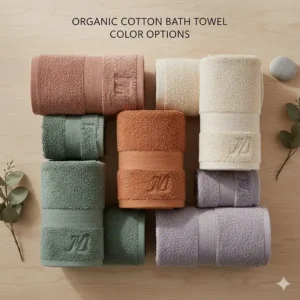
The lightweight terry design uses traditional looped construction that’s been perfected over centuries. It’s highly absorbent thanks to the looped terry weave, which absorbs moisture quickly while promoting faster drying—helping resist mold and mildew in humid bathroom environments. The simple, clean aesthetic comes in Undyed natural cotton, Alpine White, Cerulean blue, and several other sophisticated hues that complement any bathroom decor.
Budget-conscious buyers appreciate that this collection offers legitimate GOTS certification at a more accessible price point. Reviews consistently mention durability—one customer reported that after two years of regular use, the towels still looked nearly new. The quick-dry performance is particularly praised by apartment dwellers without in-unit laundry, who need towels that air-dry efficiently.
✅ Pros:
- Affordable entry to GOTS certified luxury
- Lightweight design perfect for frequent washing
- Non-toxic and sustainably produced
❌ Cons:
- Less plush than heavier 700 GSM options
- Limited to natural, understated colors
Price: $89-138 depending on set size | Perfect for: Budget-conscious eco-warriors
6. Softerry Pure Organic Cotton Bath Towel Set
Softerry brings incredible value to the organic towel market with their generous 8-piece set. This small business brand punches well above its weight class, offering certified organic quality at prices that won’t shock your wallet.
Key Specifications:
- 500 GSM quick-dry design
- Certified organic cotton (no harmful chemicals)
- 8-piece set includes multiple sizes
What makes this set particularly attractive is the sheer value proposition. You’re getting eight pieces of certified organic cotton towels for roughly the same price as four pieces from premium brands. The voluminous terry weave is designed to dry faster than heavier alternatives while maintaining excellent absorbency. Pre-washed and pre-shrunk, these towels eliminate the common frustration of first-wash surprises.
The slight initial natural scent that some users notice vanishes completely after the first wash, reinforcing the eco-friendly approach—there are no artificial fragrances masking chemical processing. Customer reviews highlight the exceptional softness and fade resistance, with colors staying vibrant even after dozens of washes. One particularly useful review mentioned using white vinegar instead of fabric softener to maintain absorbency, a tip that applies to all organic cotton towels.
✅ Pros:
- Best value for money with 8-piece set
- Small business deserving support
- Naturally fade-resistant colors
❌ Cons:
- Medium-weight may lack premium feel
- Limited color selection
Price: $95-120 for 8-piece set | Perfect for: Large families or vacation homes
7. ORGANIC TEXTILES GOTS Certified Bath Towel
ORGANIC TEXTILES rounds out our selection with a no-frills approach focused on pure organic comfort. This brand specializes exclusively in GOTS certified products, ensuring every item meets the highest environmental and social standards.
Key Specifications:
- 550-600 GSM medium weight
- 100% combed organic cotton yarn
- GOTS certified throughout supply chain
The combed cotton yarn process removes short fibers, leaving only the longest, softest strands. This creates a towel that’s incredibly durable while maintaining a silky-smooth hand feel. The medium weight strikes a nice balance—substantial enough for thorough drying without the bulk that slows laundry drying. Double-stitched construction adds longevity, and the all-natural material is completely free of toxic additives, making it suitable for every family member including babies and elderly individuals with fragile skin.
What customers appreciate most is the straightforward honesty—no marketing gimmicks, just quality organic cotton at reasonable prices. Reviews mention these towels as perfect for daily use, neither too precious nor too utilitarian. The white color may seem basic, but it offers versatility and the reassurance that no potentially harmful dyes have been used. One health-focused reviewer specifically chose these for post-surgery recovery, noting the comfort and peace of mind from knowing no chemicals would contact healing skin.
✅ Pros:
- Pure simplicity without unnecessary frills
- Excellent for sensitive skin and medical needs
- Affordable for GOTS certification
❌ Cons:
- Basic color options (primarily white)
- Smaller 2-piece set size
Price: $45-60 for 2-piece set | Perfect for: Minimalists and health-conscious shoppers
Understanding GOTS Certified Organic Towels: The Gold Standard
When you see “GOTS certified” on a product label, you’re looking at textiles that have passed the world’s most rigorous organic standard. But what exactly does this certification entail, and why should you care?
The Global Organic Textile Standard represents far more than simple organic farming practices. It’s a comprehensive certification that follows your towel’s journey from the cotton seed planted in the soil all the way to the finished product you hang in your bathroom. This end-to-end verification is what sets GOTS apart from lesser certifications.
What GOTS Certification Guarantees:
The farming stage requires that cotton be grown without genetically modified organisms, synthetic pesticides, or chemical fertilizers. Farmers must use natural pest control methods—for example, planting marigolds to repel harmful insects instead of spraying toxic chemicals. The soil itself must have been chemical-free for at least three years before the first organic harvest, ensuring no residual contamination.
During processing, every facility handling the cotton must be separately inspected and certified. From the ginning stage where seeds are removed, through spinning into yarn, weaving into fabric, and finally dyeing and finishing—each step is scrutinized. Only approved low-impact dyes and auxiliaries are permitted, and wastewater must be treated to remove pollutants before discharge.
The social criteria are equally important. Workers throughout the supply chain must receive fair wages, have safe working conditions, and be free from discrimination or harassment. Child labor is strictly prohibited. Many GOTS certified brands go beyond these baseline requirements, offering living wages and additional benefits—Boll & Branch, for instance, pays workers triple the industry standard.
Environmental Impact:
According to research published by the Environmental Protection Agency, conventional cotton production contributes significantly to water pollution through pesticide runoff. A single conventional cotton bath towel might be grown with up to 0.16 pounds of synthetic fertilizers and pesticides. Multiply that by the billions of cotton products manufactured annually, and the environmental toll becomes staggering.
Organic cotton farming, by contrast, improves soil health through crop rotation and natural composting. Healthy soils act as carbon sinks, actually removing CO2 from the atmosphere rather than contributing to climate change. The absence of synthetic chemicals also protects pollinators like bees, whose populations have declined dramatically in conventional farming areas.
Chemical Free Organic Bath Towels vs. Conventional Towels
The differences between organic and conventional towels extend far beyond certifications—they fundamentally impact your health and the planet’s wellbeing.
| Aspect | Conventional Towels | Certified Organic Towels |
|---|---|---|
| Pesticide Use | Heavy synthetic pesticides during growth | Zero pesticides, natural pest management |
| Chemical Processing | Chlorine bleaching, formaldehyde treatments | Low-impact dyes, chemical-free processing |
| Water Consumption | High irrigation needs, polluted runoff | Reduced water use, clean runoff |
| Skin Safety | Chemical residues may cause irritation | Hypoallergenic, gentle on all skin types |
| Worker Conditions | Often exploitative, low wages | Fair wages, safe conditions, rights protected |
| Biodegradability | Synthetic treatments prevent breakdown | 100% biodegradable at end of life |
Health Implications:
Your skin is your body’s largest organ, and it’s remarkably absorbent. When you dry off with a conventional towel, you’re potentially exposing yourself to trace amounts of pesticide residues, synthetic dyes, and chemical finishing agents. For most healthy adults, these exposures are minor—but they’re cumulative. For babies, young children, elderly individuals, or anyone with compromised immune systems, the risks are more significant.
Formaldehyde, commonly used to create wrinkle-resistant properties, has been classified as an endocrine disruptor and is banned in the European Union for textile use. Yet it remains legal in many countries. Chlorine bleaching creates dioxins, which are known carcinogens. These chemicals may be present in tiny amounts, but daily exposure over years or decades can contribute to health issues.
People with eczema, psoriasis, or other skin conditions often report dramatic improvements when switching to pesticide free cotton towels. The elimination of chemical irritants allows skin to heal and maintain its natural barrier function more effectively.
How to Choose the Perfect Organic Cotton Towel for Your Needs
Selecting best organic cotton bath towels involves more than just checking the GOTS label. Here’s how to find your ideal match:
1. Assess Your GSM Needs
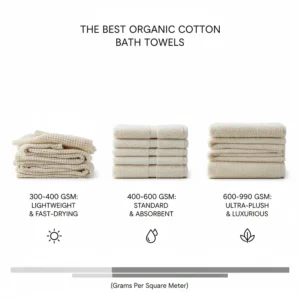
GSM (grams per square meter) indicates towel density and weight. Lightweight towels (300-450 GSM) dry quickly and work well in humid climates or for travel. Medium-weight options (500-600 GSM) balance absorbency with practicality. Heavyweight towels (700+ GSM) offer maximum luxury and absorbency but require more drying time and storage space.
2. Consider Your Household Size
Large families benefit from larger sets with multiple towel sizes. The Softerry 8-piece set, for instance, provides variety for different family members. Smaller households or singles might prefer investing in fewer, higher-quality pieces like the Delilah Home or Boll & Branch collections.
3. Evaluate Your Climate
Humid environments demand quick-drying towels to prevent mildew. The Coyuchi Air Weight excels here. Dry climates can accommodate heavier, more luxurious options that take longer to dry. Cold climates might benefit from the warmth and coziness of thick 700 GSM towels.
4. Match Your Budget Realistically
Organic towels represent an investment, but the range is substantial. The ORGANIC TEXTILES set offers legitimate GOTS certification at under $60, while premium options exceed $180. Consider cost per piece and longevity—a durable organic towel that lasts five years costs less annually than cheap conventional towels replaced yearly.
5. Check Certification Legitimacy
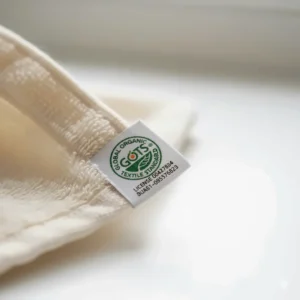
Always verify GOTS certification by checking the license number in the official GOTS database. Beware of greenwashing—terms like “natural” or “eco-friendly” without specific certification backing are often marketing rather than reality.
6. Read Beyond Star Ratings
Detailed customer reviews reveal real-world performance. Look for comments about softness retention after washing, drying time, durability, and color fastness. Photos from reviewers show true colors and texture better than professional product shots.
7. Plan for Proper Care
Organic cotton towels require slightly different care than conventional ones. Avoid fabric softeners, which coat fibers and reduce absorbency. Use gentle, plant-based detergents. Wash in cold or warm water—not hot—to preserve fibers. Tumble dry on low or line dry when possible. White vinegar (1/4 to 1/2 cup) in the rinse cycle maintains softness naturally without chemical additives.
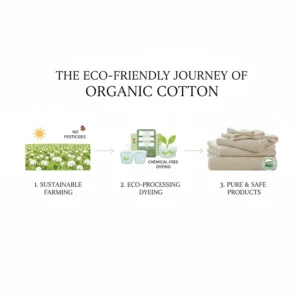
The Environmental Truth About Your Bath Towels
Every purchasing decision carries environmental weight, and bath towels are no exception. Let’s examine the true ecological cost of our daily drying routine.
Water Footprint:
Conventional cotton is an incredibly thirsty crop. According to the World Wildlife Fund, producing enough cotton for a single bath towel requires approximately 20,000 liters of water when grown conventionally. This includes irrigation, pesticide application, and processing. Organic cotton farming, by contrast, relies primarily on rainwater and natural irrigation, reducing the water footprint by up to 91%.
Chemical Runoff:
The pesticides and fertilizers used in conventional cotton farming don’t simply disappear. They leach into groundwater, flow into streams and rivers, and eventually reach oceans. These chemicals harm aquatic ecosystems, disrupt fish populations, and contaminate drinking water sources. A study by the Environmental Working Group found pesticide contamination in municipal water supplies across agricultural regions.
Organic farming eliminates this chemical pollution entirely. Natural pest control methods and organic fertilizers nourish soil life rather than destroying it. The result is healthier ecosystems both on the farm and downstream.
Carbon Footprint:
Synthetic fertilizers are produced using fossil fuels, contributing significantly to greenhouse gas emissions. The manufacturing process for these fertilizers, combined with their application and the N2O (nitrous oxide) they release from soil, makes conventional cotton a carbon-intensive crop. Organic farming, particularly when practiced with regenerative techniques, can actually be carbon-negative—meaning it removes more CO2 from the atmosphere than it produces.
Textile Waste:
Americans discard approximately 16 million tons of textile waste annually, much of it ending up in landfills. Conventional cotton towels treated with synthetic chemicals don’t biodegrade effectively—they can persist for decades. Certified organic textiles, free from chemical treatments, break down naturally and return nutrients to the soil.
When you choose eco friendly bath products like GOTS certified towels, you’re directly reducing all of these environmental impacts. Your individual choice matters, and when multiplied across millions of consumers, it drives systemic change in the textile industry.
Understanding Different Organic Cotton Certifications
While GOTS is the gold standard, other certifications exist in the organic textile space. Understanding the differences helps you make informed decisions.
GOTS (Global Organic Textile Standard):
The most comprehensive certification, covering the entire supply chain from farming through manufacturing to labeling. Requires 95% organic fibers for “Organic” label or 70% for “Made with Organic” label. Includes strict environmental and social criteria. This is what you want for the highest assurance of organic integrity.
OEKO-TEX Standard 100:
Focuses on the absence of harmful substances in finished textiles rather than organic farming. Tests for over 100 regulated and unregulated chemicals. Products can be OEKO-TEX certified without being organic, though many organic brands seek both certifications. Valuable for confirming safety but doesn’t address farming practices or environmental impact.
USDA Organic:
Primarily a food certification but can apply to raw cotton. Ensures the cotton was grown organically but doesn’t certify processing, manufacturing, or social standards. Limited use for finished textile products.
OCS (Organic Content Standard):
Verifies the presence and amount of organic material in a product. Tracks organic content from source to final product but doesn’t include environmental processing requirements or social criteria. Less rigorous than GOTS but provides transparency about organic content.
Better Cotton Initiative (BCI):
Often confused with organic certification but fundamentally different. Allows GMO seeds and some synthetic pesticides. Focuses on “better” rather than “best” practices. Not an organic certification and significantly less stringent than GOTS.
For pesticide free cotton towels with genuine environmental and social benefits, GOTS certification offers the strongest assurance. OEKO-TEX adds valuable confirmation of chemical safety, which is why many premium brands seek both certifications.
Caring for Your Organic Cotton Towels: Maximizing Lifespan
Proper care extends the life of your certified organic textiles while maintaining their softness and absorbency. Here’s how to treat them right:
Initial Preparation:
Wash new organic towels before first use to remove natural oils and cotton dust. This also improves absorbency. Use warm water (not hot) with a gentle, plant-based detergent. Avoid bleach or harsh chemicals—they’ll compromise the organic fibers you paid premium prices to avoid.
Ongoing Washing:
Wash towels every 3-4 uses to prevent bacteria buildup, but avoid over-washing which wears fibers. Separate whites from colors to prevent dye transfer. Use cold or warm water—hot water degrades organic cotton faster than conventional cotton because it lacks protective chemical treatments.
Detergent Selection:
Choose plant-based, fragrance-free detergents specifically designed for organic textiles. Avoid conventional detergents with optical brighteners, synthetic fragrances, or harsh surfactants. Popular organic-friendly brands include Seventh Generation, ECOS, and Molly’s Suds.
The Fabric Softener Trap:
Never use fabric softener with organic towels. Softener coats fibers with a waxy residue that dramatically reduces absorbency—defeating the entire purpose of a bath towel. If you want softness, add 1/2 cup of white vinegar to the rinse cycle. It’s natural, inexpensive, and actually enhances absorbency rather than reducing it.
Drying Methods:
Line drying is ideal for preserving fiber integrity and saving energy. Sun exposure has natural antibacterial properties and keeps colors vibrant. If using a dryer, select low heat and remove promptly to minimize wrinkles. High heat damages organic cotton fibers and accelerates deterioration.
Wool dryer balls create natural fluff without chemicals. Three or four balls tumbling with your towels increase air circulation, reduce drying time, and maintain softness. They’re reusable for years, making them an eco-friendly alternative to dryer sheets.
Stain Treatment:
Address stains immediately with cold water and gentle spot treatment. Baking soda paste works for most organic stains. For tougher issues, hydrogen peroxide is a safer alternative to chlorine bleach—though even this should be used sparingly.
Storage:
Store towels in dry, well-ventilated areas. Fold rather than stuff to maintain fiber structure. Cedar blocks or lavender sachets provide natural freshness without synthetic fragrances.
Expected Lifespan:
Quality GOTS certified organic towels should last 3-5 years with proper care—potentially longer. When towels eventually thin or develop holes, they’ve lived a full life. Don’t send them to landfills. Cut them into cleaning rags, compost them (they’ll biodegrade completely), or donate them to animal shelters where they’re always needed.
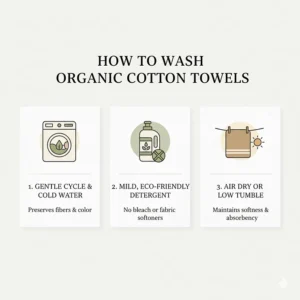
Health Benefits of Switching to Pesticide Free Cotton Towels
The health advantages of chemical free organic bath towels extend beyond simply avoiding synthetic chemicals. Let’s explore the tangible wellness benefits:
Reduced Chemical Exposure:
Your skin is constantly absorbing substances from its environment. Conventional towels can harbor residual pesticides from cotton farming, harsh processing chemicals, and synthetic dyes. While exposure from a single use is minimal, daily contact over years creates cumulative exposure. Children, whose bodies are still developing, face heightened risks from these chemicals.
Pregnant women and new parents frequently transition to organic textiles specifically to minimize their babies’ chemical exposure. Newborn skin is five times thinner than adult skin, making it far more permeable to toxins. Using pesticide free cotton towels from day one creates a safer environment for developing immune systems.
Allergy and Sensitivity Relief:
Dermatologists increasingly recommend organic textiles for patients with skin conditions. The absence of chemical residues reduces irritation triggers, allowing skin to maintain its natural protective barrier. Eczema sufferers often report that switching to GOTS certified towels results in fewer flare-ups and reduced reliance on topical medications.
Respiratory allergies can also improve. Chemical off-gassing from conventional textiles contributes to indoor air quality issues. Organic towels eliminate this source of volatile organic compounds (VOCs), creating cleaner air in your bathroom and bedroom.
Better Bacterial Management:
Paradoxically, chemical-free organic towels can be more hygienic than conventionally treated ones. Without residual chemicals interfering with natural fiber properties, organic cotton’s inherent antimicrobial qualities function effectively. Regular washing with hot water and proper drying prevents bacterial growth naturally.
The breathability of organic cotton also reduces moisture retention, creating an environment less hospitable to mold and mildew. This is particularly important in humid climates or shared bathrooms where towels might not dry completely between uses.
Enhanced Skin Microbiome:
Recent research has revealed the importance of maintaining healthy skin microbiomes—the beneficial bacteria that live on our skin’s surface. Chemical residues in conventional textiles can disrupt this delicate ecosystem. Organic towels support rather than compromise your skin’s natural defenses.
Price Range & Value Analysis
Understanding the cost structure of organic towels helps contextualize their pricing and assess true value.
| Price Tier | Per Piece Cost | Typical Features | Best For |
|---|---|---|---|
| Budget ($15-25/piece) | Lower GSM, basic weaves | First-time organic buyers | ORGANIC TEXTILES |
| Mid-Range ($25-35/piece) | Medium GSM, good durability | Daily family use | Coyuchi Classic, Softerry |
| Premium ($35-50/piece) | High GSM, exceptional craftsmanship | Luxury experience | Boll & Branch, Alusa Home |
| Ultra-Premium ($50+/piece) | Maximum GSM, artisan production | Ultimate indulgence | Delilah Home, Avocado |
Cost Justification:
Premium prices for GOTS certified organic towels reflect genuine value rather than marketing markup. Organic cotton farming is more labor-intensive than conventional methods, requiring manual weeding and natural pest control. Fair wages for workers—a requirement of GOTS social criteria—add to production costs but ensure human dignity.
The certification process itself requires significant investment. Annual facility inspections, rigorous documentation, and third-party verification create expenses that cheaper, uncertified products don’t bear. You’re paying for transparency and accountability.
Long-Term Value:
A quality organic towel lasting five years costs $8-12 annually. Cheap conventional towels requiring replacement every 18 months often cost $15-20 annually when replacement frequency is factored in. The organic option delivers better value while supporting environmental and social responsibility.
Making the Switch: Your Action Plan for Healthier Bath Towels
Transitioning to best organic cotton bath towels doesn’t require replacing everything overnight. Here’s a strategic approach:
Start by replacing the towels that contact skin most frequently—your primary bath towels and those used by children. This provides immediate health benefits where they matter most. The Coyuchi Classic offers an affordable entry point without compromising GOTS certification.
Next, evaluate your current towel inventory. Conventional towels showing wear, thinning, or developing odors should be your next replacement targets. Don’t feel guilty about gradual replacement—sustainable living is a journey, not a sprint.
Consider gifting organic towel sets for weddings, housewarmings, or baby showers. You’re sharing health benefits while supporting ethical manufacturing. Many recipients who wouldn’t purchase organic towels themselves become converts after experiencing the difference.
Budget-conscious strategies include watching for sales (brands like Coyuchi run seasonal promotions), buying during retailer anniversary events, or opting for undyed “natural” colors which often cost less than dyed versions. The Softerry 8-piece set delivers exceptional value per towel.
Remember that certified organic textiles represent an investment in health—both personal and planetary. The peace of mind from knowing your family isn’t exposed to pesticide residues, combined with the environmental benefits of supporting regenerative agriculture, makes every dollar worthwhile.
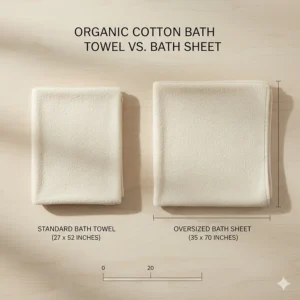
❓ Frequently Asked Questions
❓ Are GOTS certified organic towels really worth the extra cost?
❓ How can I verify if organic cotton towels are genuinely GOTS certified?
❓ Do organic cotton towels require special washing and care?
❓ Will organic cotton towels stay soft after multiple washes?
❓ What GSM weight is best for everyday bath towels?
Conclusion
The journey through best organic cotton bath towels reveals a simple truth: what we wrap around our bodies daily matters more than we’ve traditionally acknowledged. These aren’t mere accessories—they’re intimate contact with our largest organ, repeated thousands of times throughout our lives.
Choosing GOTS certified organic towels represents one of the most accessible and impactful sustainability decisions you can make. Unlike some eco-friendly swaps that require significant lifestyle adjustments, switching towels involves zero behavioral change. You simply replace one product with a healthier, more sustainable alternative that actually performs better.
The seven products we’ve explored—from the luxury craftsmanship of Delilah Home to the accessible value of ORGANIC TEXTILES—prove that chemical free organic bath towels suit every budget and preference. Whether you prioritize quick-drying efficiency, maximum plushness, ethical sourcing, or affordability, there’s a perfect organic option waiting.
Beyond personal benefits, your choice ripples outward. It supports farmers using regenerative practices that heal rather than harm ecosystems. It ensures textile workers receive fair wages and safe conditions. It reduces chemical pollution in water systems that communities depend on. It demonstrates market demand for transparency and accountability in manufacturing.
The bath towel industry has reached an inflection point. Consumer awareness about pesticide exposure, chemical processing, and labor exploitation has created demand that’s reshaping production standards. Every GOTS certified towel purchased strengthens this movement, making organic options more accessible to more people.
Your bathroom deserves better than conventional towels grown with toxic pesticides and processed with harsh chemicals. Your skin deserves the gentle embrace of pure, certified organic textiles cotton. Our planet deserves the respect of production methods that sustain rather than deplete.
Making the switch to best organic cotton bath towels isn’t complicated—it’s simply choosing wellness over convenience, transparency over mystery, and sustainability over short-term savings. Your future self, stepping out of the shower and into the soft comfort of genuinely clean, healthy towels, will thank you.
Recommended for You
- 7 Best Bamboo Bath Towels Reviews: Luxury & Eco-Friendly (2026)
- 7 Best Quick Drying Bath Towels That Cut Drying Time 2026
- 7 Best Extra Large Bath Towels 35×70 for Full Coverage 2026
Disclaimer: This article contains affiliate links. If you purchase products through these links, we may earn a small commission at no additional cost to you.
✨ Found this helpful? Share it with your friends! 💬🤗
