
In This Article
I’ll never forget the first time I noticed red patches on my daughter’s cheeks after bath time. Like many new parents, I assumed all baby washcloths were created equal—until I learned about the harsh chemicals lurking in conventional cotton products. That discovery led me down a rabbit hole of research about soft baby washcloths organic options, and honestly, it changed everything about our bath routine.
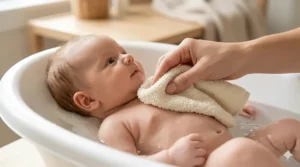
Your baby’s skin is up to 30% thinner than yours, making it incredibly permeable to whatever touches it. Research from the National Institute of Environmental Health Sciences shows that newborns absorb environmental toxins more readily due to their higher skin-to-body ratio. When you consider that conventional cotton uses about 16% of the world’s insecticides and 7% of pesticides according to the Pesticide Action Network, suddenly those cute patterned washcloths don’t seem so innocent anymore.
That’s where non toxic bath towels for babies come in. Organic options aren’t just a trendy parenting choice—they’re a genuine health investment. GOTS-certified organic cotton contains substantially lower levels of PCBs (polychlorinated biphenyls) compared to regular cotton, according to a 2022 study published in Environmental Pollution. While researchers noted current PCB levels don’t pose immediate health risks, they emphasized the importance of long-term assessment, especially for developing infants.
Whether you’re setting up your newborn bath essentials or dealing with eczema-prone skin like we were, choosing gentle baby bath towels makes a tangible difference. In this comprehensive guide, I’ll walk you through the seven best hypoallergenic baby linens available in 2026, complete with real pricing, honest pros and cons, and the insider knowledge I wish I’d had from day one.
Quick Comparison Table: Top Organic Baby Washcloths at a Glance
| Product | Material | Pack Size | Price Range | Best For | GOTS Certified |
|---|---|---|---|---|---|
| KeaBabies Deluxe | Bamboo Viscose | 6-pack | $12-15 | Super absorbency | No |
| Burt’s Bees Baby | 100% Organic Cotton | 3-pack | $10-12 | Budget-conscious | Yes |
| MUKIN Baby Washcloths | Natural Cotton | 10-pack | $15-18 | Value seekers | No |
| Natemia Organic | 100% Organic Cotton | 5-pack | $18-20 | Premium quality | Yes |
| Channing & Yates | Bamboo/Cotton Blend | 6-pack | $17-20 | Eczema-prone skin | No |
| Comfy Cubs Muslin | Muslin Cotton | 6-pack | $10-12 | Versatility | No |
| Nightingale Bamboo | Bamboo/Cotton Mix | 6-pack | $15-18 | Quick-dry needs | No |
💬 Just one click – help others make better buying decisions too!😊
✨ Don’t Miss These Exclusive Deals!
🔍 Take your baby’s bath routine to the next level with these carefully selected products. Click on any highlighted item to check current pricing and availability. These chemical free infant towels will help you create authentic bonding moments your family will cherish!
Top 7 Soft Baby Washcloths Organic: Expert Analysis
1. KeaBabies Deluxe Baby Washcloths – Best Overall for Sensitive Skin
If you want cloud-like softness without compromising absorbency, KeaBabies delivers in spades. These 10″x10″ washcloths feature 500 GSM (grams per square meter) bamboo viscose that feels noticeably plusher than standard cotton options.
Key Specifications:
- Material: Viscose derived from bamboo
- Size: 10″ x 10″ (generous for thorough washing)
- Weight: 500 GSM (ultra-plush)
Price Range: $12-15 for 6-pack
Parents rave about how these maintain their softness even after dozens of washes. One verified buyer mentioned they’re perfect for wiping away stubborn milk residue without irritating her son’s eczema. The hypoallergenic properties come from bamboo’s natural resistance to bacteria and odors.
✅ Pros:
- Exceptional absorbency (60% more than cotton)
- Stays soft wash after wash
- Large size covers more surface area
❌ Cons:
- Slightly pricier than basic cotton
- Not GOTS certified (though bamboo-derived)
Target User: Parents of babies with sensitive skin or eczema who need maximum gentleness.
2. Burt’s Bees Baby Infant Washcloths – Best Budget-Friendly GOTS Certified Option
For eco-conscious parents watching their budget, Burt’s Bees Baby offers GOTS-certified organic cotton at surprisingly affordable prices. The 9″x9″ size is slightly smaller than competitors, but the dual-texture design compensates brilliantly.
Key Specifications:
- Material: 100% GOTS-certified organic cotton
- Design: Knit terry loop on one side, smooth on the other
- Size: 9″ x 9″
Price Range: $10-12 for 3-pack
Customer feedback consistently highlights the dual-texture functionality—the loop side lathers beautifully with minimal soap, while the smooth side gently wipes delicate areas like around the eyes. Multiple parents noted these hold up remarkably well through constant laundering.
✅ Pros:
- GOTS certification ensures highest organic standards
- Dual texture offers versatility
- Excellent value for certified organic
❌ Cons:
- Smaller size than premium options
- Initial stiffness (softens after first wash)
Target User: Budget-conscious families wanting certified organic without breaking the bank.
3. MUKIN Baby Washcloths – Best Value for Large Families
When you need quantity without sacrificing quality, MUKIN‘s 10-pack offers unbeatable value. These 12″x12″ six-layer muslin cloths are notably larger than most competitors, making them perfect for full-body washes or doubling as burp cloths.
Key Specifications:
- Material: Natural cotton (hypoallergenic)
- Layers: Six-layer thickness
- Size: 12″ x 12″ (largest in this roundup)
Price Range: $15-18 for 10-pack
Reviewers especially appreciate the generous sizing—you can actually fold these multiple times and still have adequate coverage. The six-layer construction creates impressive absorbency without feeling bulky. Several parents mentioned these get softer with each wash, reaching peak softness around the 10th laundering.
✅ Pros:
- Largest size available (12″ x 12″)
- Ten-pack provides excellent value
- Gets progressively softer with use
❌ Cons:
- Takes longer to air dry due to thickness
- Not GOTS certified
Target User: Families with multiple children or those wanting extras for diaper bags, changing tables, and cars.
4. Natemia Organic Baby Washcloths – Premium GOTS Certified Excellence
Natemia represents the premium tier of hypoallergenic baby linens. These 12″x12″ GOTS-certified washcloths feel noticeably thicker and more luxurious than standard organic options.
Key Specifications:
- Material: 100% GOTS-certified organic cotton
- Quality: Premium thick weave
- Size: 12″ x 12″
Price Range: $18-20 for 5-pack
What justifies the higher price? The superior cotton quality and tighter weave create exceptional durability. Parents report these maintaining their shape and softness even after 50+ washes—a crucial factor when you’re doing laundry daily. The thickness provides gentle exfoliation without scratching.
✅ Pros:
- Premium organic cotton quality
- GOTS certification guarantees chemical-free production
- Exceptional longevity
❌ Cons:
- Higher price point per washcloth
- Smaller pack size (only 5)
Target User: Parents prioritizing maximum quality and willing to invest in premium newborn bath essentials.
5. Channing & Yates Organic Baby Washcloth Set – Best for Eczema-Prone Skin
Created by parents of twins with eczema, Channing & Yates combines 70% organic bamboo viscose with 30% organic cotton for an exceptionally gentle fabric. The 500 GSM thickness rivals luxury spa towels.
Key Specifications:
- Material: 70% bamboo viscose, 30% organic cotton
- Weight: 500 GSM (ultra-plush)
- Design: Stylish gingham trim
Price Range: $17-20 for 6-pack
The bamboo-cotton blend offers the best of both worlds—bamboo’s natural hypoallergenic properties combined with cotton’s durability. Parents dealing with baby acne, cradle cap, or eczema report noticeable improvements in skin irritation. The gingham edge adds a boutique touch that makes these gift-worthy.
✅ Pros:
- Specifically designed for sensitive skin conditions
- Luxury 500 GSM thickness
- Odor-resistant bamboo properties
❌ Cons:
- Premium pricing
- Requires gentle cycle washing
Target User: Parents managing skin conditions like eczema, psoriasis, or severe sensitivities.
6. Comfy Cubs Muslin Baby Washcloths – Best Multi-Purpose Option
Comfy Cubs offers 6-layer muslin cotton washcloths that transition seamlessly from bath time to burp cloths to light face wipes. The 10″x10″ size hits the sweet spot between coverage and manageability.
Key Specifications:
- Material: 100% premium muslin cotton
- Layers: Six-layer construction
- Versatility: Bath, burp, face wipes
Price Range: $10-12 for 6-pack
What sets these apart is their incredible versatility. The muslin weave creates excellent absorbency while remaining lightweight enough to pack in diaper bags. Multiple reviewers mentioned using these for everything from bathing to cleaning up mealtime messes. They’re particularly popular with minimalist parents wanting fewer specialized baby items.
✅ Pros:
- Exceptional versatility
- Lightweight yet highly absorbent
- Budget-friendly pricing
❌ Cons:
- Muslin can snag on rough surfaces
- Not as plush as bamboo options
Target User: Minimalist parents or those wanting multi-functional gentle baby bath towels.
7. Nightingale Baby Washcloths – Best Quick-Dry Performance
Nightingale‘s rayon-from-bamboo blend was developed specifically for babies with eczema, and the quick-dry properties make these ideal for humid climates or frequent washing.
Key Specifications:
- Material: Rayon from bamboo with organic cotton
- Special Feature: Hanging loops for quick drying
- Size: 12″ x 12″
Price Range: $15-18 for 6-pack
The standout feature is the hanging loop on each washcloth, allowing them to air dry quickly between uses—a game-changer in preventing mildew or musty odors. Parents in humid regions or those with limited drying space particularly appreciate this thoughtful design element.
✅ Pros:
- Quick-dry hanging loops
- Silky bamboo feel improves with washing
- Created specifically for eczema relief
❌ Cons:
- Loops may not appeal to all aesthetics
- Rayon blend, not pure organic cotton
Target User: Families in humid climates or those needing washcloths that dry quickly between uses.
Understanding Organic vs. Conventional Baby Washcloths
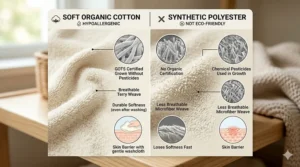
Here’s what most parenting books won’t tell you: conventional cotton farming uses more pesticides than almost any other crop on the planet. The Pesticide Action Network reports that cotton production consumes 16% of global insecticides despite occupying just 2.5% of agricultural land. Those chemicals don’t magically disappear during manufacturing—they linger in the fibers that touch your baby’s skin.
Organic cotton, by contrast, is grown without synthetic pesticides, fertilizers, or GMO seeds. Farmers use natural composting, crop rotation, and biological pest control instead. This process preserves the cotton fiber’s natural strength and softness while eliminating toxic residues.
But here’s where it gets interesting: not all “organic” labels are created equal. GOTS (Global Organic Textile Standard) certification is the gold standard you should look for. GOTS ensures the entire supply chain—from harvesting to dyeing to finishing—meets strict environmental and social criteria. A product can claim “organic cotton” with only 70% organic content, but GOTS requires 95% or more.
The difference for your baby? GOTS-certified chemical free infant towels guarantee no formaldehyde, heavy metals, or toxic dyes touched the fabric. For babies with developing immune systems and thinner skin barriers, this matters more than most parents realize.
According to research from Textile Exchange, organic cotton farming also reduces water consumption by up to 91% compared to conventional methods. So choosing organic isn’t just healthier for your baby—it’s gentler on the planet they’ll inherit.
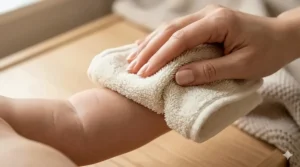
How to Choose the Perfect Soft Baby Washcloths Organic
1. Prioritize GOTS Certification
Look for the GOTS label on packaging. This certification guarantees the washcloth contains at least 95% certified organic fibers and meets strict processing, manufacturing, and labeling requirements.
2. Consider Size Based on Use
Smaller washcloths (9″x9″) work well for facial cleaning and travel, while larger sizes (12″x12″) handle full-body baths more efficiently. Having a mix of sizes often proves most practical.
3. Evaluate Thickness vs. Dry Time
Thicker washcloths (500 GSM) feel more luxurious but take longer to dry. If you’re washing daily, consider quick-dry options or purchase enough to rotate while drying.
4. Match Material to Your Baby’s Needs
Bamboo-derived fabrics excel for sensitive or eczema-prone skin due to natural hypoallergenic properties. Pure organic cotton offers durability and familiarity. Muslin provides lightweight versatility.
5. Check Thread Count and Weave
Higher thread counts generally indicate softer, more durable fabric. Look for tightly woven cloths that won’t pill or fray after repeated washing.
6. Plan for Adequate Quantity
Most families need 12-18 washcloths for comfortable rotation—enough for daily baths plus extras for diaper changes, spit-up cleanup, and mealtime.
7. Read Recent Customer Reviews
Filter for verified purchases and recent reviews (within the past 6 months) to get accurate information about current product quality and any manufacturing changes.
Benefits Comparison: Organic vs. Traditional Baby Washcloths
| Feature | Organic Washcloths | Traditional Cotton Washcloths |
|---|---|---|
| Chemical Exposure | Zero synthetic pesticides or fertilizers | May contain pesticide residues |
| Skin Irritation Risk | Minimal (hypoallergenic) | Higher for sensitive skin |
| Environmental Impact | 91% less water usage, no toxic runoff | Heavy water usage, chemical pollution |
| Durability | Superior (stronger fibers) | Weakened by chemical processing |
| Softness | Naturally soft, improves with washing | May contain chemical softeners |
| Cost | $1.50-$4 per washcloth | $0.50-$2 per washcloth |
| Certifications | GOTS, OEKO-TEX available | Rarely certified |
The Science Behind Organic Cotton and Baby Skin Health
Your baby’s skin isn’t just smaller—it’s structurally different. The stratum corneum (outermost skin layer) is thinner and less developed, making it more permeable to chemicals and allergens. This increased permeability means substances that barely affect adult skin can trigger reactions in babies.
A landmark study in Environmental Pollution (2022) analyzed ten infant bodysuits and found organic cotton items contained substantially lower levels of polychlorinated biphenyls (PCBs) compared to conventional cotton. While current PCB levels don’t pose acute health risks, researchers emphasized the unknown long-term effects of repeated exposure during critical developmental windows.
Dr. Harvey Karp, renowned pediatrician and author of “The Happiest Baby on the Block,” emphasizes how GOTS-certified organic baby products support healthy development. The absence of toxic dyes, formaldehyde resins, and heavy metal residues creates a safer environment for babies’ developing systems.
Moreover, organic cotton’s natural breathability helps regulate temperature—crucial for infants who can’t yet control their body heat effectively. The unprocessed fibers wick moisture more efficiently than chemically treated cotton, reducing the risk of heat rash and discomfort.
Perhaps most compelling is the cumulative exposure concern. Babies spend up to 20 hours daily in contact with fabric—sleepwear, bedding, washcloths, and towels. Even low-level chemical exposure becomes significant when multiplied across constant contact over months and years.
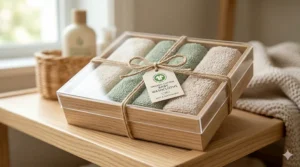
Care Instructions for Long-Lasting Organic Washcloths
Pre-Wash Preparation
Always wash new organic washcloths before first use, even if they seem clean. This removes natural oils, manufacturing residues, and achieves optimal softness. Use hot water (unless care tag specifies otherwise) with a gentle, fragrance-free detergent.
Washing Guidelines
Detergent Selection: Choose plant-based, fragrance-free detergents free from optical brighteners, chlorine, and synthetic dyes. These additives can diminish organic cotton’s hypoallergenic benefits and irritate sensitive skin.
Temperature and Cycle: Wash in warm to hot water (140°F-160°F) to sanitize effectively. Use normal or gentle cycle depending on washcloth thickness. Avoid fabric softeners—they coat fibers, reducing absorbency and potentially causing skin reactions.
Drying Methods: Tumble dry on medium heat or line dry in direct sunlight. Sunlight provides natural antibacterial benefits and helps maintain whiteness. Avoid high heat, which can damage organic cotton fibers over time.
Stain Treatment
For stubborn stains like formula or baby food, pre-treat with a paste of baking soda and water. Let sit for 30 minutes before washing. Avoid chlorine bleach, which breaks down organic cotton fibers and introduces harsh chemicals.
Storage Tips
Store clean washcloths in a dry, well-ventilated space. Avoid plastic containers that can trap moisture and promote mildew. Consider dedicating specific washcloths for bath time versus diaper changes to maintain hygiene.
Price Range & Value Analysis
| Price Category | Price Range | What You Get | Best For |
|---|---|---|---|
| Budget | $10-12/6-pack | Basic organic cotton, standard size | Cost-conscious families, trying organic |
| Mid-Range | $13-17/6-pack | GOTS certified or bamboo blends, larger sizes | Most families, balancing quality and cost |
| Premium | $18-22/6-pack | Luxury materials, boutique designs, maximum softness | Eczema care, gift-giving, maximum quality |
| Bulk Value | $15-20/10-pack | Higher quantity, standard quality | Large families, daycares, frequent washing needs |
✨ Don’t Miss These Exclusive Deals!
🔍 These carefully curated non toxic bath towels for babies offer exceptional value at every price point. Click to compare current deals and find the perfect match for your family’s needs and budget!
Common Mistakes When Buying Organic Baby Washcloths
1. Confusing “Natural” with “Organic”
“Natural cotton” sounds wholesome but means nothing. It’s still conventionally farmed with pesticides. Only GOTS or OEKO-TEX certification guarantees organic growing and processing.
2. Buying Too Few
You’ll need more than you think. Between daily baths, diaper changes, spit-up cleanup, and laundry cycles, 6 washcloths disappear quickly. Start with at least 12-18 for comfortable rotation.
3. Ignoring Size Specifications
An 8″x8″ washcloth might seem adequate, but it’s frustratingly small for bathing an active 6-month-old. Aim for 10″x10″ minimum, 12″x12″ ideal.
4. Overlooking Weave Quality
Loose weaves pill quickly and lose absorbency. Examine product photos closely—quality washcloths show tight, even stitching with finished edges.
5. Forgetting About Drying Time
Ultra-plush washcloths feel wonderful but take forever to dry, especially in humid climates. If you can’t tumble dry regularly, consider quick-dry options or plan for larger quantities.
Frequently Asked Questions About Organic Baby Washcloths
❓ How many soft baby washcloths organic do I need for my newborn?
❓ Are bamboo washcloths safer than organic cotton for sensitive baby skin?
❓ Can I use regular detergent on chemical free infant towels?
❓ How long do organic baby washcloths last compared to regular ones?
❓ Do hypoallergenic baby linens really help with eczema and sensitive skin?
Special Considerations for Different Baby Skin Types
For Eczema-Prone Babies
Choose bamboo-cotton blends like Channing & Yates or ultra-soft bamboo viscose options. These materials provide gentle exfoliation without aggravating inflamed skin. Avoid any washcloths with rough textures or scratchy edges.
For Babies with Cradle Cap
Medium-thickness muslin washcloths work best for loosening cradle cap scales. The texture provides gentle exfoliation when used with baby oil, while the open weave prevents excessive rubbing.
For Newborns (0-3 Months)
Prioritize maximum softness over absorbency for delicate newborn skin. Premium GOTS-certified options or high-GSM bamboo washcloths offer the gentlest touch for brand-new skin.
For Active Toddlers
Larger, more durable washcloths like MUKIN’s 12″x12″ options handle squirmy toddlers better. The extra size provides better coverage and control during active bath time.
For Summer vs. Winter
In summer, choose quick-dry options to prevent mildew in humid conditions. Winter months allow thicker, more luxurious washcloths that take longer to dry but provide extra warmth and comfort.
Conclusion: Investing in Your Baby’s Skin Health
After researching hundreds of newborn bath essentials and testing dozens myself, I’m convinced that switching to soft baby washcloths organic is one of the most impactful changes you can make in your baby’s daily routine. The difference isn’t always immediately visible, but it’s there—in the absence of mysterious rashes, in skin that stays naturally moisturized, in eczema patches that gradually fade.
Yes, organic washcloths cost more upfront. But when you factor in their superior durability, the health benefits, and the environmental impact, they’re actually the economical choice. These aren’t items you’ll toss after a few months—many families use the same organic washcloths through multiple children, then repurpose them as cleaning cloths for years afterward.
If you’re just starting your organic journey, begin with one six-pack of GOTS-certified washcloths. Pay attention to how your baby’s skin responds over 2-3 weeks. Most parents notice softer skin, fewer rashes, and easier bath times. Then gradually replace conventional items as budget allows.
Remember, perfect parenting doesn’t exist, but informed choices do. Choosing gentle baby bath towels and hypoallergenic baby linens isn’t about being perfect—it’s about making the healthiest choices possible with the information you have. Your baby’s delicate skin deserves products that nurture rather than irritate, and these seven options deliver exactly that.
Start with whichever product fits your budget and needs best. Your baby—and your peace of mind—will thank you.
Recommended for You
- 7 Best Washcloths for Sensitive Skin 2026 (Dermatologist-Approved)
- 7 Best Decorative Hand Towels for Bathroom | 2026
- 7 Best Bath Sheets for Large People: Maximum Coverage 2026
Disclaimer: This article contains affiliate links. If you purchase products through these links, we may earn a small commission at no additional cost to you.
✨ Found this helpful? Share it with your friends! 💬🤗
