
In This Article
If you’ve ever stepped out of a refreshing shower only to feel that uncomfortable prickly sensation against your skin, you’re not alone. Research from George Washington University School of Medicine reveals that approximately 70% of the global population experiences sensitive skin, with 40% having it as their primary skin condition. Yet here’s the twist – many people don’t realize their bath towel could be the culprit behind post-shower irritation, redness, or that tight, uncomfortable feeling.
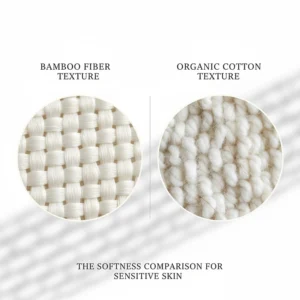
Your skin is your body’s largest organ, and when it’s sensitive, every texture matters. Traditional cotton towels with rough fibers, chemical residues from harsh dyes, or abrasive weaves can transform your calming bath routine into an irritating ordeal. The good news? The right towel can make all the difference between skin that feels aggravated and skin that feels pampered.
I’ve spent countless hours researching, testing, and analyzing the softest bath towels for sensitive skin available in 2026. What makes a towel truly gentle? It’s not just about softness – it’s about the fiber quality, construction method, chemical treatments (or lack thereof), and how well it maintains that cloud-like feel wash after wash. Whether you’re dealing with eczema, rosacea, post-surgical sensitivity, or simply have reactive skin, this guide will help you find your perfect match.
Quick Comparison Table
| Towel Brand | Material | GSM | Price Range | Best For |
|---|---|---|---|---|
| Wove Extra Soft | Long-staple cotton | 700 | $35-45 | Zero-twist construction |
| Cariloha Bamboo | Bamboo/Turkish cotton | 600 | $30-40 | Antimicrobial properties |
| Brooklinen Super-Plush | Turkish cotton | 820 | $45-50 (per towel) | Maximum plushness |
| Tommy Hilfiger Modern | 100% cotton | 574 | $15-25 | Budget-friendly quality |
| Channing & Yates | Bamboo/organic cotton | 500 | $17-20 | Eczema-prone skin |
| Utopia Towels | Ring-spun cotton | 600 | $25-35 | Value for money |
| Amazon Basics | 100% cotton | 600 | $30-40 | OEKO-TEX certified |
💬 Just one click – help others make better buying decisions too! 😊
Top 7 Softest Bath Towels for Sensitive Skin: Expert Analysis
1. Wove Extra Soft Bath Towels – The Zero-Twist Wonder
When it comes to sensitive skin, the Wove Extra Soft Bath Towels by Everest deserve serious attention. These aren’t your average towels – they’re engineered specifically to glide over skin without irritation.
Key Specifications:
- Material: 100% long-staple cotton from the Indus Valley
- GSM: 700 (luxuriously plush)
- Size: 55″ x 28″
- Construction: Zero-twist loops instead of twisted fibers
What Makes It Special: The zero-twist construction is revolutionary for sensitive skin. Instead of pointy, twisted fibers that can catch and irritate, Wove uses longer cotton strands woven into smooth loops. Think of it like the difference between running your hand over a soft brush versus tiny needles – the loops create a surface that smoothly glides over your skin without any agitation.
These towels are OEKO-TEX Standard 100 certified, meaning they’re produced without harmful azo-based dyes or chemicals. The workshops even recycle steam for energy efficiency and properly process wastewater instead of dumping it into oceans.
Customer Experience: Users consistently praise the elimination of shedding – those annoying towel crumbs that traditional towels leave all over your bathroom. The 700 GSM density provides that perfect balance of plushness without feeling heavy.
✅ Pros:
- Zero irritation from smooth loop construction
- No shedding or lint
- Chemical-free production process
❌ Cons:
- Higher price point than budget options
- Limited color selection
Price: $35-45 per towel
2. Cariloha Bamboo Bath Towels – Nature’s Antimicrobial Shield
For those battling both sensitive skin and concerns about bacteria or mold, Cariloha Bamboo Bath Towels offer a unique solution that addresses multiple issues simultaneously.
Key Specifications:
- Material: 42% viscose from bamboo, 58% Turkish-combed cotton
- GSM: 600 (optimized for softness)
- Size: 28″ x 54″
- Special Feature: Natural odor-resistant properties
The Bamboo Advantage: Bamboo viscose isn’t just a trendy material – it’s inherently antimicrobial. Scientific studies show that even after 50+ washes, bamboo fabric maintains its germ-fighting properties. For sensitive skin sufferers, this means your towel naturally repels mildew, mold, and odor-causing bacteria that can trigger reactions.
The blend with Turkish cotton creates a lighter, fluffier feel compared to pure cotton towels. Users describe wrapping themselves in these as feeling like “a soft blanket” rather than a traditional towel. Research indicates that bamboo towels absorb four times more moisture than cotton, which means less rubbing and patting – crucial for irritated skin.
Real-World Performance: These towels are OEKO-TEX 100 certified and come from a Certified B Corp brand, ensuring ethical production standards. The 600 GSM strikes that sweet spot – not too thin, not too thick.
✅ Pros:
- Natural hypoallergenic and antimicrobial properties
- Gets softer with each wash
- Exceptional moisture absorption
❌ Cons:
- Takes slightly longer to dry due to high absorbency
- Premium pricing
Price: $30-40 per towel
3. Brooklinen Super-Plush Turkish Cotton Bath Towels – The Luxury Standard
When dermatologists recommend “hotel-quality” towels for sensitive skin, they’re often thinking of something like the Brooklinen Super-Plush Bath Towels. These represent the gold standard in plushness without compromise.
Key Specifications:
- Material: 100% premium Turkish cotton
- GSM: 820 (ultra-plush category)
- Size: 30″ x 58″ (oversized)
- Construction: Z-twist for durability
Why Turkish Cotton: Turkish cotton features longer staple fibers that create a softer, more absorbent towel. The 820 GSM makes these some of the thickest towels on the market – you’ll immediately notice the weight and luxurious feel. According to testing by Good Housekeeping Institute, consumer testers gave these perfect scores for softness, with many describing them as “buttery smooth against skin” and experiencing that the “softness didn’t disappear with washing.”
The OEKO-TEX certification ensures these towels are free from harmful chemicals, making them safe for even the most reactive skin. The longer length (58 inches versus the standard 54) provides extra coverage, reducing the need for vigorous rubbing.
Long-Term Value: While the initial investment is higher, users report these towels maintain their softness and absorbency even after years of use. The reinforced stitching and premium weave ensure they don’t lose their plush feel.
✅ Pros:
- Exceptional softness that lasts
- Oversized for maximum comfort
- Maintains quality through countless washes
❌ Cons:
- Premium price point ($90+ for set of 2)
- Longer dry time due to thickness
Price: $45-50 per towel
4. Tommy Hilfiger Modern American Bath Towels – Premium Quality, Accessible Price
Not everyone can spend $50 on a single towel, which is why the Tommy Hilfiger Modern American Bath Towels deserve recognition. They prove that dermatologist recommended towels don’t have to break the bank.
Key Specifications:
- Material: 100% cotton with zero-twist construction
- GSM: 574 (medium-weight plush)
- Size: 30″ x 54″
- Certification: STANDARD 100 by OEKO-TEX
Smart Construction: The zero-twist weave creates that spa-like softness while maintaining durability through double-stitched hems. Tommy Hilfiger specifically avoids dangerous chemicals and softeners in manufacturing, earning the OEKO-TEX certification that tests for harmful substances.
What sets these apart in the mid-range category is how they “fluff up after the first wash” according to the manufacturer, allowing you to experience that spa grandeur in your own home. The natural weave guarantees both durability and strength without sacrificing the gentle touch sensitive skin requires.
Color Versatility: Available in numerous colors, you can match your bathroom décor without compromising on skin safety. The embroidered Tommy Hilfiger flag adds a touch of style.
✅ Pros:
- Excellent value for OEKO-TEX certified quality
- Gets softer with washing
- Wide color selection
❌ Cons:
- Lower GSM than premium options
- Some users report slight texture (not rough, but noticeable)
Price: $15-25 per towel
5. Channing & Yates Organic Baby Washcloths – Gentle Enough for Eczema
While technically marketed for babies, the Channing & Yates Organic Baby Washcloths represent the ultimate in gentle washcloths for acne prone skin and eczema sufferers. This family-owned business was born from personal necessity – two of the founder’s three children have eczema.
Key Specifications:
- Material: 70% organic viscose from bamboo, 30% organic cotton
- GSM: 500 (premium for washcloths)
- Size: 10″ x 10″ (generous for face cloths)
- Special: OEKO-TEX Organic Certified
Why This Matters: The National Eczema Association recognizes the importance of fabric choice for eczema management. These washcloths are naturally hypoallergenic, making them resistant to odors and free of harsh chemicals. The bamboo viscose provides that crucial antimicrobial barrier while being incredibly soft.
The 500 GSM might sound less impressive than bath towels, but for washcloths, this creates a plush, absorbent texture that’s up to 2X thicker than competing options. They absorb 60% more than cotton washcloths and dry faster – important for preventing bacterial growth.
Real Family Testing: The Channing & Yates family uses these daily with their own eczema-prone children. The unique gingham border design comes in multiple colors (pink, blue, purple, beige) making them perfect for the whole family.
✅ Pros:
- Specifically designed for sensitive/eczema-prone skin
- Hypoallergenic and chemical-free
- Generously sized at 10″ x 10″
❌ Cons:
- Washcloths only (no full-sized bath towels in this line)
- Premium pricing for washcloths
Price: $17-20 for 6-pack
6. Utopia Towels Premium Bath Towels – The Value Champion
Sometimes you need to outfit an entire bathroom without spending a fortune, and that’s where Utopia Towels shine. They’ve mastered the art of delivering quality at an accessible price point.
Key Specifications:
- Material: 100% ring-spun cotton
- GSM: 600 (balanced plush)
- Size: 27″ x 54″
- Sets: Available in 4, 6, or 8-piece sets
Ring-Spun Cotton Advantage: Ring-spun cotton undergoes an additional spinning process that creates stronger, softer fibers. While not as luxurious as long-staple Turkish or Egyptian cotton, it still provides reliable softness and breathability. The 600 GSM offers good absorbency without excessive weight.
These towels are made in OEKO-TEX Standard 100 certified factories, ensuring they meet high safety and environmental standards – crucial for chemical sensitive skin towels. The double-stitched hemmed finish prevents fraying and adds to longevity.
26 Color Options: With 26 different colors available, you can coordinate your entire bathroom while ensuring everyone in the family has irritation free bath linens. The variety also makes it easy to designate specific colors for different family members with varying skin sensitivities.
✅ Pros:
- Exceptional value for certified quality
- Huge color selection
- Available in economical sets
❌ Cons:
- Some initial lint (normal for cotton, decreases with washing)
- Not as plush as premium 700+ GSM options
Price: $25-35 for 4-pack
7. Amazon Basics Fade-Resistant Bath Towels – Certified Safe & Budget-Friendly
Rounding out our list, Amazon Basics Fade-Resistant Bath Towels prove that even basic options can meet the standards for sensitive skin when properly certified.
Key Specifications:
- Material: 100% cotton
- GSM: 600
- Size: 54″ x 30″
- Special: Made in OEKO-TEX Standard 100 factory
Why Consider Amazon Basics: The OEKO-TEX Standard 100 factory certification is the key differentiator here. This independent certification system ensures textiles meet high safety and environmental standards – testing for harmful substances that could trigger skin reactions. These towels are specifically made with chemicals safer for human health and the environment.
The fade-resistant feature means fewer harsh chemical treatments over time, as the colors maintain their vibrancy without excessive re-dyeing. Users appreciate the soft, durable, absorbent cotton that provides lasting quality and comfort.
Practical Considerations: Available in 6-piece sets (2 bath towels, 2 hand towels, 2 washcloths), these make it easy to stock a bathroom completely. The bleach-friendly design allows for deep cleaning when necessary without fabric degradation – important for those who need extra sanitation due to skin conditions.
✅ Pros:
- OEKO-TEX certified at budget pricing
- Complete sets available
- Readily available with Prime shipping
❌ Cons:
- Basic construction (not premium)
- Less plush than specialized sensitive-skin towels
Price: $30-40 for 6-piece set
Understanding Sensitive Skin and Towel Selection
What Causes Skin Sensitivity?
Sensitive skin isn’t just one condition – it’s a spectrum of reactions your skin might have to various triggers. According to research published in the Journal of Drugs in Dermatology, sensitive skin presents as heightened sensory responses to typically innocuous stimuli, including the friction from towels.
Common causes include:
Compromised Skin Barrier: When your skin’s protective barrier is damaged, it loses moisture more easily and becomes more permeable to irritants. Rough towel fibers can further compromise this barrier.
Neurogenic Inflammation: Recent dermatological research shows that sensitive skin involves neurogenic components where sensory nerves become hyperactivated, leading to burning, stinging, or itching sensations from minor stimuli.
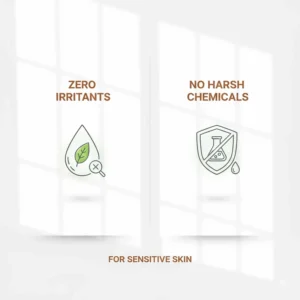
Chemical Sensitivities: Many conventional towels are treated with formaldehyde-based resins, optical brighteners, or harsh dyes. For chemically sensitive individuals, these residues trigger reactions even after multiple washes.
Underlying Conditions: Eczema (atopic dermatitis), rosacea, psoriasis, and post-surgical skin all require extra-gentle care. The wrong towel can undo the benefits of your skincare routine.
The Science of Soft Towels
Not all softness is created equal. Here’s what actually makes a towel gentle on sensitive skin:
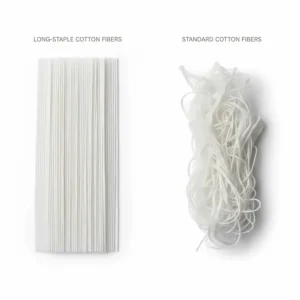
Fiber Length Matters: Long-staple cotton (Egyptian, Turkish, or Pima) creates smoother yarns with fewer protruding fiber ends. Short-staple cotton has more rough edges that can catch and irritate skin. Think of it like the difference between silk thread and regular sewing thread.
Zero-Twist vs. Traditional Twist: Traditional terry cloth twists cotton fibers tightly together, creating durability but also a rougher surface. Zero-twist construction uses special binding agents to hold fibers in loose loops, creating a velvety surface that glides over skin.
GSM Sweet Spot: GSM (grams per square meter) measures towel density. For sensitive skin, the ideal range is 500-700 GSM. Below 400 feels thin and rough; above 800 becomes too heavy and takes forever to dry (creating mildew risk).
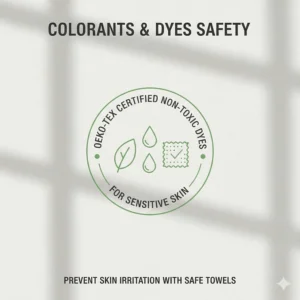
Chemical-Free Processing: OEKO-TEX Standard 100 certification tests for over 100 harmful substances, including:
- Azo dyes (can cause allergic reactions)
- Formaldehyde (common preservative that irritates skin)
- Heavy metals (residues from dye processes)
- Chlorinated phenols (used in fabric treatments)
How to Choose Softest Bath Towels for Sensitive Skin
Selecting the perfect towel for your sensitive skin doesn’t have to be overwhelming. Follow these seven steps to make an informed decision:
Step 1: Identify Your Skin Type and Triggers
Start by understanding what specifically irritates your skin. Do you react to synthetic materials? Do certain dyes cause rashes? Is your skin dry and prone to eczema, or oily and acne-prone? Keep a simple log for a week noting when irritation occurs and what contacted your skin.
Step 2: Prioritize Material Quality
Natural fibers generally trump synthetics for sensitive skin. Look for 100% cotton (especially long-staple varieties), bamboo viscose, or bamboo-cotton blends. Avoid microfiber for facial use – while absorbent, the synthetic fibers can be abrasive.
Step 3: Verify Chemical-Free Certifications
Don’t just take marketing claims at face value. Look for OEKO-TEX Standard 100, GOTS (Global Organic Textile Standard), or similar third-party certifications. These guarantee testing for harmful chemicals beyond what brands self-report.
Step 4: Consider Construction Method
Zero-twist or low-twist constructions provide the softest feel. Check product descriptions for terms like “zero-twist loops,” “ring-spun cotton,” or “premium long-staple fibers.” Avoid towels described as “quick-dry” or “lightweight” if softness is your priority – these often sacrifice plushness.
Step 5: Select Appropriate GSM
Match GSM to your needs:
- 300-400 GSM: Gym or travel (too thin for post-shower comfort)
- 500-600 GSM: Sweet spot for daily use with sensitive skin
- 700-800 GSM: Maximum plushness (luxury spa feel)
- 800+ GSM: Often too heavy, slow-drying (mildew risk)
Step 6: Test Color Fastness
Brightly colored towels often use more dyes, which can leach chemicals. Start with lighter colors or whites for the most sensitive skin. If buying colored, check reviews for colorfastness – bleeding dyes indicate excess chemicals.
Step 7: Assess Your Budget and Buy Strategically
You don’t need to buy the most expensive option, but investing in 2-3 premium towels for daily use while supplementing with mid-range options for guests can provide the best value. Quality towels last 5-10 years with proper care, making the per-use cost reasonable.
Material Breakdown: What Works Best
Long-Staple Cotton (Egyptian, Turkish, Pima)
Best For: All-around sensitive skin protection
Characteristics: Smooth fibers, high absorbency, durability
Care: Maintains softness through hundreds of washes
Egyptian and Turkish cotton represent the gold standard because their extra-long fibers (up to 2 inches) create smoother yarns with minimal protruding ends. This translates directly to less skin irritation. Turkish cotton tends to be slightly more absorbent and quicker-drying than Egyptian cotton of similar quality.
Bamboo Viscose
Best For: Antimicrobial needs, eczema, allergies
Characteristics: Naturally hypoallergenic, moisture-wicking, temperature-regulating
Care: Gets softer with washing, avoid high heat
Bamboo viscose offers unique benefits beyond basic softness. The natural antimicrobial properties persist even after dozens of washes, making it ideal for those whose sensitive skin is compounded by bacterial or fungal sensitivities. Bamboo is also incredibly sustainable, requiring minimal water and no pesticides.
Organic Cotton
Best For: Chemical sensitivities, babies, eczema
Characteristics: Grown without pesticides, processed without harsh chemicals
Care: May feel slightly less soft initially but improves with use
While not inherently softer than conventional cotton, organic cotton eliminates pesticide residues and typically uses gentler processing methods. For those with chemical sensitivities or compromised immune systems, this extra purity provides peace of mind.
Bamboo-Cotton Blends
Best For: Budget-conscious buyers seeking antimicrobial benefits
Characteristics: Combines cotton’s familiarity with bamboo’s benefits
Care: Generally easy-care, holds up well
The typical blend (40-70% bamboo, 30-60% cotton) provides a middle ground. You get bamboo’s antimicrobial properties and silky feel at a lower price point than pure bamboo, while cotton adds familiar absorbency and durability.
Understanding GSM and What It Means for You
GSM (grams per square meter) measures fabric density, but what does that actually mean for your skin?
The Technical Side: GSM indicates how much the towel weighs per square meter of fabric. A 600 GSM towel has 600 grams of cotton fibers woven into every square meter. More fibers = more loops = more surface area for absorption and cushioning.
The Practical Side:
300-400 GSM – Lightweight These feel thin, almost scratchy when new. They dry quickly but provide minimal cushioning between your skin and your rubbing motion. Only suitable for sensitive skin if you’re extremely gentle with patting rather than rubbing.
500-600 GSM – Medium Weight The sweet spot for most sensitive skin needs. Provides adequate plushness to cushion skin while drying quickly enough to prevent mildew. These offer the best balance of softness and practicality.
700-800 GSM – Plush/Luxury Maximum softness and absorbency. These feel like wrapping yourself in a cloud. The extra thickness means you can pat dry with minimal pressure. However, they take longer to dry and cost more.
800+ GSM – Ultra-Plush Typically unnecessary and potentially problematic. The extreme thickness means they take so long to dry that mildew becomes a real risk – ironically creating irritants for sensitive skin.
Special Considerations for Different Conditions
Hypoallergenic Bath Towels for Eczema
Eczema (atopic dermatitis) requires the gentlest possible towels. The National Eczema Association recommends:
- Material: Bamboo or organic cotton exclusively
- GSM: 500-700 (plush enough to absorb without rubbing)
- Color: White or light colors to avoid dye irritation
- Certifications: OEKO-TEX Standard 100 minimum
Special Technique: Pat, never rub. Let the towel absorb moisture through gentle pressing rather than friction. Consider having dedicated “eczema towels” that are never washed with harsh detergents or fabric softeners.
Gentle Washcloths for Acne Prone Skin
Acne-prone skin needs a delicate balance – clean without aggravation. Key features:
- Texture: Smooth, not exfoliating (rough washcloths spread bacteria)
- Material: Bamboo for antimicrobial properties
- Size: Large enough (10″ x 10″) to avoid repeated rubbing
- Frequency: Use fresh washcloth daily to prevent bacterial buildup
Pro Tip: Have 7-14 washcloths in rotation so you never reuse one before washing. The extra investment prevents acne-causing bacteria from accumulating.
Dermatologist Recommended Towels for Post-Surgical Care
After procedures like laser treatments, chemical peels, or surgical interventions, skin becomes temporarily hypersensitive:
- First 48 hours: Use only sterile gauze or medical-grade soft cloths
- Days 3-7: Transition to the softest zero-twist towels (Wove, Cariloha)
- Week 2+: Can use any certified hypoallergenic towel
Always follow your dermatologist’s specific instructions, as they supersede general guidance.
Irritation Free Bath Linens for Rosacea
Rosacea sufferers need to minimize triggers including heat and friction:
- Temperature: Use cool or lukewarm water, not hot
- Technique: Air-dry partially before towel use to minimize contact
- Material: Bamboo’s temperature-regulating properties help
- Pattern: Gentle patting, never rubbing or scrubbing
Chemical Sensitive Skin Towels
For those with multiple chemical sensitivities (MCS):
- Certifications: GOTS organic certification (stricter than OEKO-TEX)
- Washing: Pre-wash 3-5 times before first use to remove any residual processing chemicals
- Detergent: Use only fragrance-free, dye-free, hypoallergenic detergent
- Storage: Keep in sealed containers to avoid environmental contamination
Care and Maintenance for Maximum Softness
Even the softest towels can become rough and irritating without proper care. Follow these guidelines to maintain that cloud-like feel:
Initial Preparation
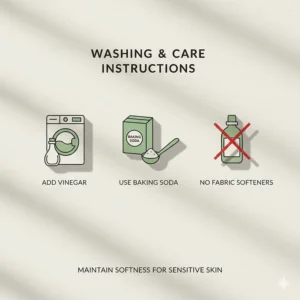
First Wash is Critical: New towels often have sizing agents or manufacturing residues. Wash 2-3 times before first use with a gentle, fragrance-free detergent. Don’t use fabric softener – it creates a coating that reduces absorbency and can irritate sensitive skin.
Washing Best Practices
Temperature: Warm (not hot) water around 30-40°C (86-104°F) preserves fiber integrity while cleaning effectively.
Detergent: Use half the recommended amount of a sensitive-skin formula. Excess detergent builds up in fibers, creating irritation. Brands like Seventh Generation Free & Clear or All Free Clear work well.
Load Size: Never overload your washer. Towels need room to move freely for thorough rinsing. Detergent residue is a major cause of skin irritation.
Frequency: Wash bath towels after 3-4 uses maximum. Washcloths should be washed after every single use.
Drying Strategies
Air Drying: Best for maintaining softness but takes longer. Hang in well-ventilated areas to prevent mildew.
Machine Drying: Use low heat with dryer balls (not fabric softener sheets). Remove promptly to prevent over-drying which damages fibers.
The Shake Method: Before placing wet towels in the dryer, give them a vigorous shake. This fluffs the loops and prevents matting, maintaining that plush feel.
What to Avoid
❌ Fabric Softener: Creates chemical coating that irritates sensitive skin and reduces absorbency
❌ Bleach: Breaks down fibers and leaves harsh chemical residues (exception: occasional sanitizing if medically necessary)
❌ High Heat: Damages natural fibers, making them rough and less absorbent
❌ Overcrowding: Prevents proper rinsing, leaving detergent residue that irritates skin
Storage Tips
- Store towels in well-ventilated areas to prevent musty odors
- Rotate stock regularly – don’t let towels sit unused for months
- Keep separate sets for different family members with varying sensitivities
- Replace towels every 2-5 years depending on quality and use frequency
Budget Considerations: Investing in Your Skin Health
Premium Tier ($40-50 per towel)
Examples: Brooklinen Super-Plush, Cariloha Bamboo Bath Sheets When Worth It:
- Severe eczema or chronic skin conditions
- Post-surgical recovery
- Long-term investment (5-10 year lifespan)
Cost Per Use: If a $45 towel lasts 7 years with biweekly use, that’s approximately $0.12 per use.
Mid-Range ($25-35 per towel or set)
Examples: Wove, Cariloha standard towels, Utopia sets Best For:
- Daily use for moderate sensitivity
- Families needing multiple towels
- Balance of quality and affordability
This tier offers the best value for most people – certified safe materials without luxury pricing.
Budget-Friendly ($15-25 per towel or set)
Examples: Tommy Hilfiger, Amazon Basics sets Considerations:
- Must verify OEKO-TEX certification
- May sacrifice some plushness
- Still effective for mild sensitivity
Smart Strategy: Buy 2-3 premium towels for post-shower use, supplement with budget options for hands/face.
Common Mistakes to Avoid
Mistake #1: Assuming “Soft” Means Safe
A towel can feel soft in the store but be treated with chemicals that leach out with water exposure. Always check for third-party safety certifications, not just softness ratings.
Mistake #2: Over-Washing
Washing towels after every single use seems hygienic but actually deteriorates fibers faster, making them rougher. Bath towels can be used 3-4 times before washing (unless you have a specific medical reason to wash more frequently).
Mistake #3: Using Fabric Softener
This is perhaps the most common error. Fabric softener creates a waxy coating that:
- Reduces absorbency (defeating the towel’s purpose)
- Leaves chemical residue that irritates sensitive skin
- Builds up over time, making towels feel slick rather than soft
Mistake #4: Buying Too Small
A too-small towel forces you to rub more vigorously to dry off, increasing friction and irritation. Invest in properly sized towels (minimum 27″ x 54″ for adults).
Mistake #5: Ignoring Color Impact
Brightly colored towels require more dye, which means more chemicals. If you have sensitive skin, prioritize whites, creams, or light pastels that require minimal dye.
Mistake #6: Neglecting Washcloth Hygiene
Reusing washcloths multiple days creates bacterial buildup that can trigger breakouts and irritation. Have enough in rotation for daily changes.
The Environmental and Ethical Angle
Sustainable Softness
Choosing towels for sensitive skin doesn’t mean compromising on environmental responsibility. In fact, many eco-friendly options align perfectly with sensitive skin needs:
Bamboo’s Environmental Benefits:
- Grows 3 feet per day without pesticides
- Requires 1/3 the water of cotton farming
- Naturally regenerates from roots (no replanting)
- Absorbs 35% more CO2 than equivalent trees
Organic Cotton:
- Eliminates pesticide runoff into waterways
- Reduces farmer exposure to harmful chemicals
- Often produced with fair trade labor practices
- Uses less water than conventional cotton
Certifications That Matter
OEKO-TEX Standard 100: Tests for harmful substances in final product
GOTS (Global Organic Textile Standard): Covers entire supply chain, including labor practices
Fair Trade Certified: Ensures ethical treatment of workers
B Corp Certification: Company meets high standards of social and environmental performance
The True Cost
When you buy a $15 towel produced in questionable conditions with harsh chemicals, you’re voting with your wallet for those practices. Premium doesn’t always mean better, but certified organic and fair-trade options typically cost more for good reason – they protect workers, the environment, and ultimately, your skin.
Expert Tips from Dermatologists
Dr. Adam Friedman, chair of Dermatology at George Washington University School of Medicine, emphasizes that sensitive skin education should be comprehensive. Based on insights from dermatological research:
The Pat, Don’t Rub Rule
“Most people dry themselves with vigorous rubbing, which can damage the skin barrier,” notes Dr. Friedman’s research team. Instead:
- Immediately after showering (while skin is damp), apply moisturizer
- Gently pat with towel to remove excess moisture
- Allow air-drying to complete the process
This technique works best with higher GSM towels (600+) that absorb well with minimal contact.
Timing Matters
Apply your moisturizer or prescribed topical medications within 3 minutes of showering, before towel-drying completely. This traps moisture in your skin and creates a protective barrier.
Temperature Control
Hot water strips natural oils, leaving skin vulnerable to towel friction. Use lukewarm water, especially if you have eczema or rosacea.
Seasonal Adjustments
Winter’s dry air requires plusher towels (700 GSM) and less vigorous drying. Summer humidity allows lighter options (500-600 GSM) that dry faster.
Signs Your Towel Isn’t Working
Even with the softest towels, watch for these red flags:
Immediate Reactions:
- Redness appearing within minutes of drying
- Stinging or burning sensation
- Increased itching in areas towel contacted
Delayed Reactions:
- Rash developing hours later
- Dry, flaky patches where towel was used
- Worsening of existing conditions (eczema flares, etc.)
Subtle Signs:
- Skin feeling tight or uncomfortable
- Need for more moisturizer than usual
- Increased sensitivity to other products
If you notice any of these despite using a “sensitive skin” towel, consider:
- Washing towels more thoroughly (extra rinse cycle)
- Trying a different material (bamboo if using cotton, vice versa)
- Checking for dye sensitivity (switch to white)
- Consulting a dermatologist to identify specific triggers
❓ FAQ
❓ How often should I replace bath towels for sensitive skin?
❓ Can bamboo towels really help with eczema better than cotton?
❓ What does OEKO-TEX Standard 100 certification actually test for?
❓ Is zero-twist or regular terry cloth better for irritation free bath linens?
❓ Should I wash new towels before using them on sensitive skin?
Conclusion: Your Path to Comfortable, Irritation-Free Bathing
Finding the softest bath towels for sensitive skin transforms your daily routine from a potential minefield of irritation into a genuinely soothing experience. After extensive research and analysis, here’s what matters most:
Material quality trumps everything. Long-staple cotton, bamboo viscose, and organic cotton blends provide the smooth, chemical-free fibers your skin needs. Don’t compromise on OEKO-TEX or similar certifications – they’re your guarantee against hidden irritants.
The right GSM makes a difference. For most sensitive skin, 500-700 GSM hits that sweet spot between plush comfort and practical drying time. Higher isn’t always better, especially if you live in humid climates where mildew becomes a concern.
Construction method matters as much as material. Zero-twist designs like the Wove Extra Soft towels create surfaces that glide over skin rather than catching and irritating. This seemingly small detail can make a dramatic difference in your comfort.
Your budget doesn’t have to be unlimited. While premium options like Brooklinen offer unmatched luxury, mid-range choices like Tommy Hilfiger and Utopia Towels prove that certified, skin-safe softness is accessible at various price points.
Remember, the most expensive towel isn’t necessarily the best for YOUR skin. Start with one or two quality options that match your specific sensitivity triggers, whether that’s chemical sensitivities (go organic), bacterial concerns (choose bamboo), or general irritation (try zero-twist). Pay attention to how your skin responds over several weeks of use.
The investment in proper towels pays dividends in comfort, reduced skin problems, and eliminated need for extra treatments or medications. Your skin spends those crucial post-shower minutes wrapped in whatever towel you choose – make it count.
Take action today: identify your primary sensitivity trigger, select one towel from this guide that addresses it, and experience the difference that proper fabric care makes. Your skin will thank you every single day.
Recommended for You
- 7 Best Bath Towels for Hard Water That Stay Soft in 2026
- 7 Best Non Shedding Bath Towels That Won’t Leave Lint (2026)
- Microfiber vs Cotton Towels Comparison: 7 Best Options (2026)
Disclaimer: This article contains affiliate links. If you purchase products through these links, we may earn a small commission at no additional cost to you.
✨ Found this helpful? Share it with your friends! 💬🤗
